

September ushers in autumn with two flowers that bridge the seasons beautifully. The September birth flower is represented by both the star-shaped aster and the climbing morning glory, giving those born this month blooms that capture late summer’s warmth and fall’s approaching change. These September birth month flowers offer striking contrasts—asters forming bushy mounds of daisy-like flowers while morning glories twine upward with trumpet-shaped blooms. Together, they reflect nature’s balance of permanence and impermanence, growth and graceful fading. Together they embody September’s transitional nature. Understanding the significance of the birth flower for Sept adds meaning to birthdays during this harvest season.
Aster Birth Flower – Wisdom And Patience Shining Bright
History and Origins
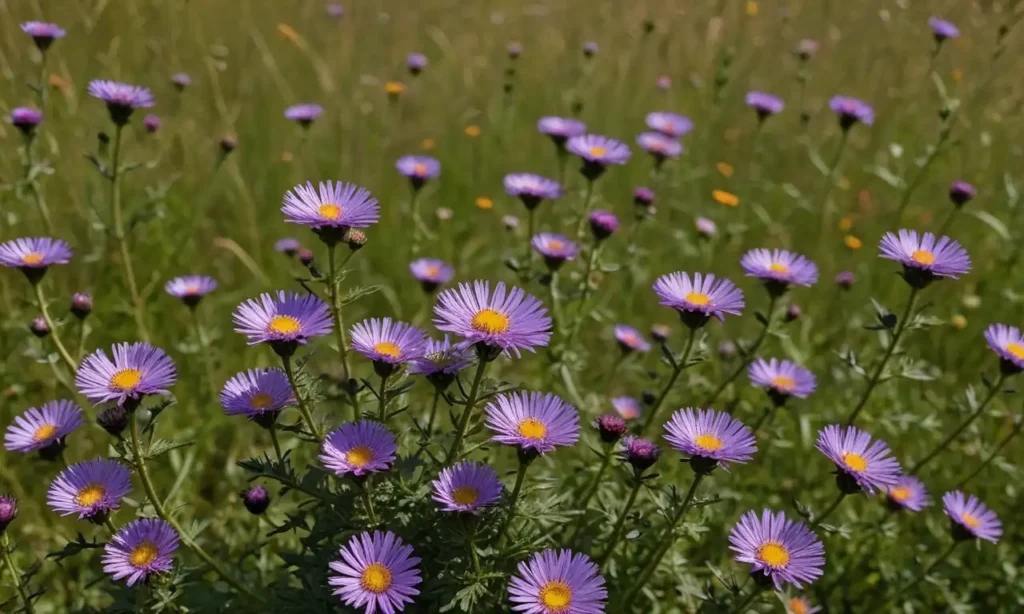
The aster, whose name comes from the Greek word for “star,” has long been associated with the heavens due to its star-shaped blossoms. According to Greek myth, the goddess Astraea wept for the lack of stars on Earth, and where her tears fell, asters sprang up. Ancient peoples burned aster leaves to ward off evil spirits, and the flowers became symbols of love and patience.
Native to Europe, Asia, and North America, asters were cultivated widely by the 17th century, especially after traders introduced larger, more colorful North American species to Europe. Known also as “Michaelmas daisies” for their blooming near the feast of St. Michael in late September, asters became firmly tied to seasonal change, harvest rituals, and enduring autumn traditions.
Symbolism and Meaning
The Aster Birth Flower carries meanings of wisdom, faith, and valor. Ancient symbolism connected asters to afterlife and remembrance, making them common grave decorations. In flower language, asters say “I’m thinking of you,” perfect for September birthday flowers when people reconnect after summer travels.
Different colors convey specific messages—purple for wisdom, white for purity, pink for love, and red for devotion. Blue asters symbolize peace and clarity, while multicolored displays suggest harmony. In folklore, asters were believed to attract good spirits and ward off serpents. Today, they remain associated with healing, balance, and emotional resilience, making them thoughtful gifts for friends beginning new chapters or overcoming challenges. Modern interpretations emphasize patience, elegance, and endurance. Their late blooming represents good things coming to those who wait, while the star shape suggests wishes and dreams.
Characteristics and Growing Information
Asters range from alpine miniatures to New England asters reaching six feet tall. Most produce masses of daisy-like flowers with yellow centers surrounded by ray petals in purple, pink, white, or blue. Fall-blooming varieties provide crucial late-season nectar for butterflies and bees. Their bushy growth habit makes them excellent for borders and naturalized areas. Some compact varieties are also ideal for containers, allowing even small-space gardeners to enjoy their color. Asters blend well with ornamental grasses and other perennials, extending garden interest into late autumn.
Growing asters requires full sun to partial shade and well-draining soil. Plant in spring to establish roots before fall blooming. Pinching stems in early summer creates bushier plants with more flowers. Divide every few years to maintain vigor and control spread.
Modern Uses and Gift Ideas
Asters feature prominently in fall arrangements, with their long vase life making them perfect for September birthdays. Mixed with chrysanthemums and ornamental grasses, they create vibrant seasonal bouquets. Potted asters transition easily into gardens, extending enjoyment beyond the celebration. Florists often recommend asters for sympathy arrangements as well, thanks to their historical association with remembrance and enduring love. Dried aster flowers keep their shape and color, lending themselves to wreaths, crafts, and pressed art. Aster-themed stationery and botanical prints are also popular choices for thoughtful gifts, particularly in autumn when their symbolism feels most poignant.
Modern aster motifs appear in fall fashion, jewelry, and home décor, while aster gardens attract visitors and wildlife alike. On social media, colorful aster meadows inspire popular content celebrating autumn’s arrival.
Morning Glory Birth Flower – Ephemeral Charm, Lasting Meaning
History and Origins
Morning glories (Ipomoea species) follow a very different story. Native to the Americas, they reached Asia in the 16th century via Spanish trade. In Japan, they quickly became cultural favorites, with samurai and nobles collecting rare seeds and hosting exhibitions. The flower’s brief daily bloom tied it symbolically to mortality, renewal, and fleeting beauty.
Their popularity spread globally, admired for their vibrant trumpet-shaped blossoms and fast-growing vines that transform structures with cascades of color. In Victorian England, morning glories appeared in greenhouses and conservatories, prized for their exotic look. Artists captured them in prints and embroidery, drawn to their ephemeral nature. Today, they remain staples of cottage gardens and trellises, celebrated for their charm and effortless ability to brighten even the simplest spaces.
Symbolism and Meaning
Morning glory birth flower meanings encompass affection, mortality, and renewal. Their habit of opening at dawn and closing by afternoon represents life’s fleeting nature. In Chinese symbolism, morning glories mean “a single day of bliss.” In the Victorian language of flowers, they conveyed either love in vain or affection, depending on context.
Morning glories thus represent spontaneous joy and appreciation for present moments, balancing the steadfast devotion of asters with ephemeral beauty. Their association with morning has also made them symbols of fresh starts, urging us to embrace each day with optimism. In Japanese art, they appear alongside summer themes, embodying the season’s brightness. Across cultures, their transient blooms remind people of both beauty’s impermanence and the importance of seizing fleeting opportunities.
Characteristics and Growing Information
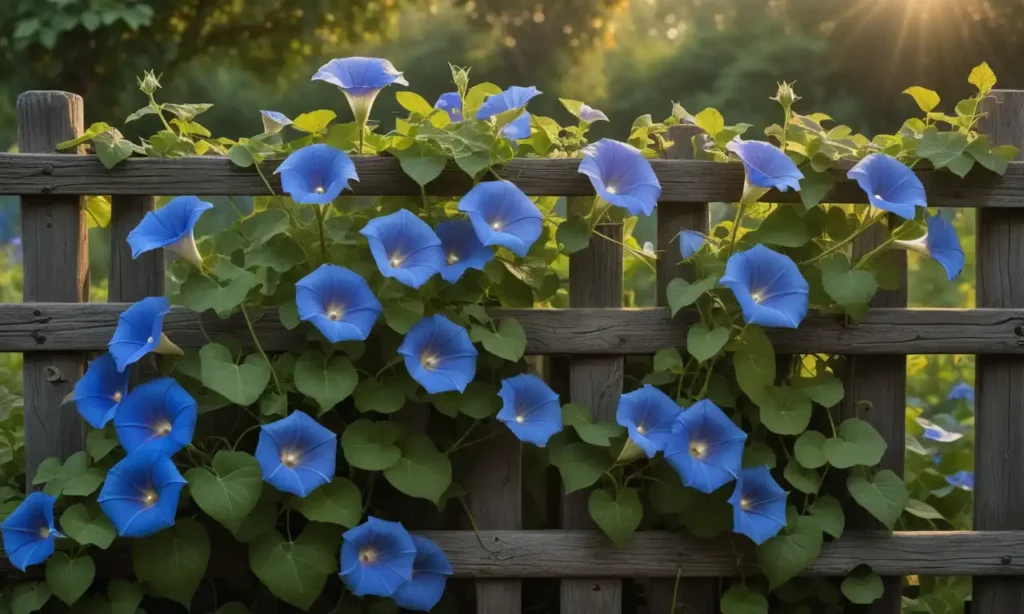
Morning glories are fast-growing annual vines reaching up to fifteen feet in a single season. Their trumpet-shaped flowers open in the morning and fade by afternoon. Colors include blue, purple, pink, white, and striking bicolors. Heart-shaped leaves provide lush coverage, even when blooms are absent.
They thrive in full sun and poor soils, where richer soils tend to produce more foliage than flowers. Morning glories self-sow readily, ensuring new generations each year. Support structures such as trellises or fences are essential for their climbing habit. Gardeners often plant them near porches, arbors, or mailboxes, where their twining vines create living curtains. They pair beautifully with other sun-loving annuals, adding vertical interest. In warm climates, morning glories bloom from midsummer through frost, while in cooler regions they peak during late summer.
Modern Uses and Gift Ideas
Morning glories don’t last as cut flowers, but they shine in gardens and as symbolic gifts. Seed packets make thoughtful presents for gardeners, while potted vines on trellises or obelisks serve as “living gifts.” Pressed morning glory artwork preserves their fleeting charm permanently.
Their beauty inspires Japanese textiles, ceramics, and art, while festivals celebrate their seasonal abundance. Contemporary designers also incorporate morning glory motifs into stationery, wall prints, and seasonal décor, keeping the flower’s symbolic associations visible year-round. In gardening culture, they are valued for their rapid growth and dramatic impact, often recommended for beginner gardeners seeking quick rewards. Time-lapse photography of their daily blooming cycle remains a favorite for social media, captivating audiences worldwide.
Wrapping Up
The September birth flower tradition offers those born during harvest season two blooms representing different temporal perspectives. Asters provide steady, reliable beauty that returns yearly, symbolizing wisdom and faithful devotion. Morning glories offer daily renewal and fleeting perfection, reminding us to cherish each moment. This combination gives September babies rich floral heritage balancing permanence with impermanence.
Whether choosing dependable asters or ephemeral morning glories for September birthday celebrations, both flowers carry messages perfect for autumn’s arrival. Together, they mirror the month’s unique balance of transition—holding onto summer warmth while welcoming fall’s cooler embrace. Their symbolism encourages mindfulness, gratitude, and hope during life’s shifting seasons. Their contrasting life cycles—perennial versus annual—ensure various ways to incorporate the September flower of the month into gardens and celebrations.
Interested in the October Birth Flowers? Check out October Birth Flowers: Get to Know the Enchanting Marigold and Cosmos!
Frequently Asked Questions
Q: Why don’t morning glories open all day?
A: Morning glories evolved to attract dawn pollinators. Flowers open with cool morning temperatures and close as heat rises, protecting pollen and conserving moisture. Some cultivated varieties stay open longer, but most follow this rhythm.
Q: Do asters really attract butterflies?
A: Yes! Asters provide vital late-season nectar for monarchs and other butterflies preparing for migration or winter. Plant native species for maximum ecological benefit.
Q: Can morning glories become invasive?
A: Certain species, such as field bindweed (often called wild morning glory), are invasive. Garden varieties are usually manageable through deadheading to prevent reseeding. Choose cultivated types and remove unwanted seedlings to control spread.