

August arrives with summer at its height, bringing two dramatic blooms as birth flowers for those born during this vibrant month. The August birth flower includes both the stately gladiolus and the delicate poppy, each offering distinct beauty to late summer gardens. These August birth month flowers showcase nature’s range—gladiolus standing tall with sword-like leaves while poppies dance on slender stems. Together they capture August’s bold energy and fleeting beauty. This pairing symbolizes vitality, remembrance, courage, and creativity all intertwined. Understanding the significance of the birth month flower for August adds depth to celebrations during summer’s grand finale.
Gladiolus Birth Flower – Strength And Honor Standing Tall
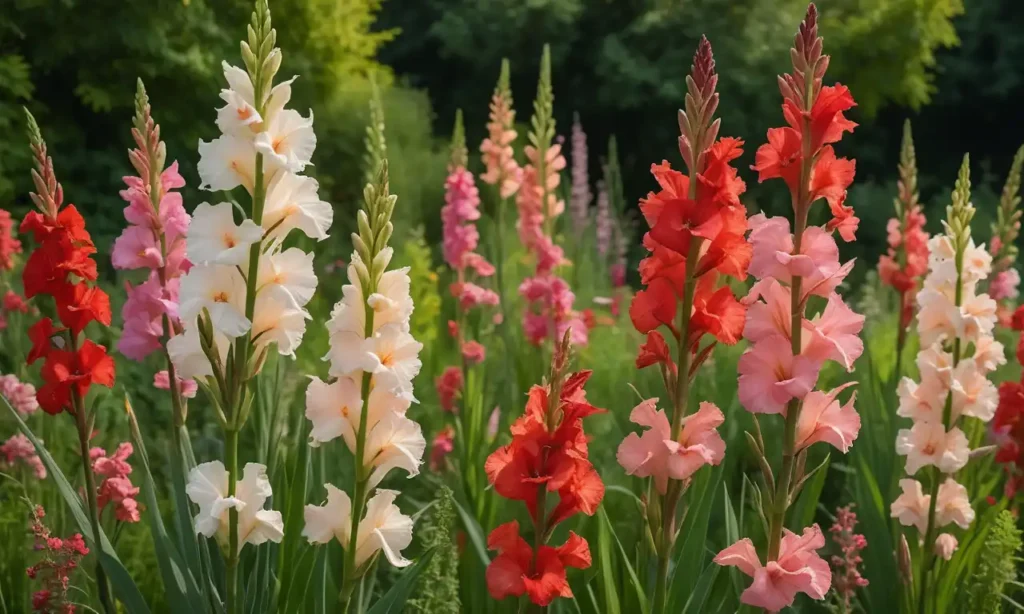
History and Origins
The gladiolus, part of the iris family (Iridaceae), takes its name from the Latin gladius, meaning sword, in reference to its blade-like leaves. Ancient Romans associated gladioli with gladiators, believing the flowers symbolized strength, integrity, and victory. Wild species thrived in Mediterranean and African regions, with South Africa home to the greatest diversity. These striking blooms quickly gained reputations as symbols of resilience and triumph, adorning feasts, processions, and ceremonies. They were admired not only for their beauty but also for their perceived ability to inspire courage among warriors.
When Dutch traders introduced South African gladiolus species to Europe in the 18th century, gardeners were astonished by their size and vivid colors. These new introductions fueled centuries of hybridization, making gladioli staples in Victorian flower shows and summer gardens.
Symbolism and Meaning
The gladiolus birth flower carries meanings of strength, integrity, and infatuation. Victorian suitors sent gladioli to declare that the recipient had “pierced their heart” with passion. The flowers also symbolize remembrance, honor, and faithfulness. Different colors add specific meanings—red for passion, pink for compassion, white for purity, and yellow for joy. Lavender shades are often linked to grace and charm, while orange varieties suggest enthusiasm and positive energy. Mixed bouquets of gladioli carry layered meanings, blending messages of devotion, admiration, and inspiration.
In modern symbolism, gladiolus represents strength of character and moral conviction. The flowers’ tall, upright growth suggests sincerity and straightforwardness. The blooms’ ladder-like arrangement symbolizes spiritual growth and achievement, making them particularly meaningful for those seeking personal development. They remain powerful gifts of encouragement, reminding recipients to stand tall and pursue their goals with confidence.
Characteristics and Growing Information
Gladiolus grows from corms, producing tall spikes that can reach five feet. Each spike bears multiple funnel-shaped flowers opening from bottom to top over several weeks. Modern hybrids offer every color except true blue, including dramatic bicolors and ruffled varieties. Some cultivars are specifically bred for floral arranging, featuring extra-strong stems and extended vase life, while others are compact “nanus” types ideal for containers or smaller gardens. This diversity allows gladiolus to suit nearly any landscape or decorative need.
Growing gladiolus requires full sun and well-draining soil. Plant corms after soil warms in spring, spacing them for continuous blooms. Tall varieties need staking to prevent toppling. In cold climates, lift corms after first frost for winter storage. Thrips can be problematic pests, requiring monitoring. Regular watering during active growth helps promote strong spikes, though avoid overwatering to prevent corm rot. Successive plantings ensure blooms from midsummer until early autumn.
Modern Uses and Gift Ideas
Gladiolus are favorites in August birthday arrangements, with long-lasting cut flowers that hold for over a week. Tall spikes make dramatic standalone statements or anchors in mixed bouquets. Miniature varieties also work well in patio containers or smaller spaces. Florists often stagger gladiolus blooms at different stages of opening, creating arrangements that evolve in appearance over several days. Their striking verticality pairs well with roses, lilies, or greenery, bringing balance and structure to floral displays.
Modern interpretations extend to gladiolus-inspired jewelry, botanical prints, and garden photography. Their upright form symbolizes elegance and integrity, making them popular design motifs. Gladiolus shows remain a cultural highlight at fairs, displaying extraordinary hybrids and drawing garden enthusiasts. Social media has further boosted their profile, with vibrant gladiolus arrangements and garden borders often trending during peak summer.
Poppy Birth Flower – Fragile Beauty, Remembrance, And Peace
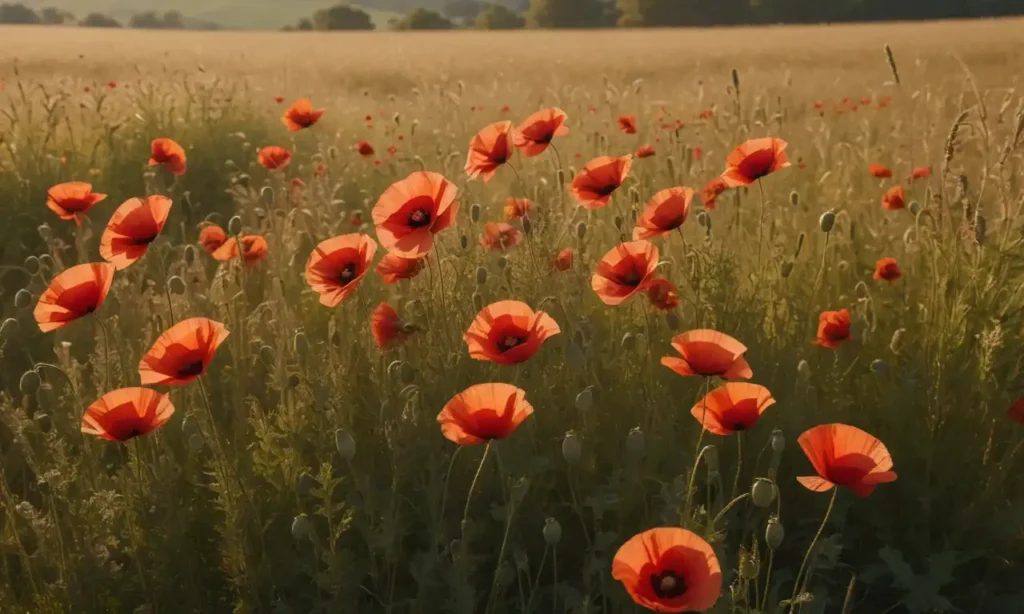
History and Origins
Poppies (Papaver species) have an equally rich heritage. Poppies have been cultivated since ancient Mesopotamian times, admired for their striking blooms and symbolic significance in ritual and myth. Greeks linked poppies to Morpheus, the god of dreams, while Romans placed them on tombs as offerings to the dead. Across cultures, poppies were often tied to themes of sleep, transformation, and the delicate boundary between life and death, reinforcing their symbolic weight in myth and ceremony.
The red corn poppy, common in Europe’s fields, became a lasting symbol of remembrance after World War I, when it grew abundantly on battlefields. Its simple but powerful image endures today as a global emblem of sacrifice and memory. In many countries, wearing artificial poppies each November remains a deeply respected tradition, keeping the flower’s association with remembrance alive.
Symbolism and Meaning
Poppy birth flower meanings vary significantly by color and species. Red poppies universally symbolize remembrance, particularly for fallen soldiers and wartime sacrifices. White poppies represent peace and sleep, yellow means wealth and success, while orange suggests health and regeneration.
The flowers’ tissue-paper petals symbolize life’s fragility and beauty. Beyond their visual delicacy, the fleeting nature of each bloom reminds us to treasure moments of joy and connection before they fade. Cultural interpretations extend this meaning—Eastern traditions often link poppies with restfulness and dreams, while Western symbolism emphasizes resilience through loss. Combined with gladiolus, poppies balance action with reflection—providing August-born individuals with symbols of both power and tenderness.
Characteristics and Growing Information
Poppies encompass numerous species from tiny alpines to oriental poppies reaching four feet. Annual poppies like corn and California poppies self-sow freely, while perennial orientals return yearly from deep taproots. Blooms last only days individually but flower successively for weeks, creating long seasonal displays.
Poppies thrive in lean soil with excellent drainage, rotting if overwatered. They’re ideal for dry borders or naturalized meadows. Many gardeners choose them for low-maintenance landscapes, as once established, they require little intervention and reward neglect with abundant color. Their papery blooms shimmer in sunlight, creating striking focal points. Even after flowers fade, decorative seed pods extend interest, often used in dried arrangements to preserve a touch of summer charm. Their growth contrasts with gladiolus—fragile yet abundant, thriving where conditions seem toughest.
Modern Uses and Gift Ideas
Poppies are challenging cut flowers since they fade quickly in vases. Instead, seed packets make thoughtful gifts for gardeners, while pressed poppy artwork preserves their fleeting beauty permanently. Poppy motifs also inspire stationery, clothing, and summer accessories.
Contemporary designers often incorporate poppy patterns into textiles, ceramics, and wall art, emphasizing their bold silhouettes and vibrant colors. Commemorative jewelry pieces shaped like poppies honor remembrance traditions while offering elegant personal adornment. Gardeners prize poppies for their ability to naturalize, turning small plantings into expansive drifts of color over time. Seasonal festivals dedicated to blooming poppy fields attract thousands of visitors, creating both cultural significance and economic value through agritourism.
Poppy fields themselves have also become destinations, drawing visitors for breathtaking displays and photography.
Wrapping Up
These August birthflowers those born in late summer two blooms representing different aspects of strength. Gladiolus stands tall with unwavering integrity, symbolizing achievement and moral character. Poppies offer gentle beauty and peaceful remembrance, representing life’s precious fragility. Together, they provide August babies with complete floral symbolism encompassing both power and tenderness.
This duality mirrors August itself, a month balancing summer’s peak vitality with the first hints of seasonal transition. Gladiolus inspires ambition and perseverance, while poppies invite reflection, gratitude, and remembrance. Together, they remind August-born individuals to embrace both bold action and quiet contemplation.
Whether selecting bold gladiolus or delicate poppies for August birthday celebrations, both flowers carry meaningful messages. Their availability in numerous colors and forms ensures perfect choices for any celebration, from grand gestures to intimate gatherings.
Interested in the September Birth Flowers? Check out September Birth Flowers: Fall in Love With the Aster and Morning Glory!
Frequently Asked Questions
Q: When should I plant gladiolus for August blooms?
A: Plant gladiolus corms 10–12 weeks before desired bloom time. For August flowers, plant in mid-May. Stagger plantings every two weeks for continuous flowering throughout the month. In warm climates, adjust timing as gladiolus blooms faster in heat.
Q: Why don’t cut poppies last in vases?
A: Poppies evolved for quick pollination, not longevity. To extend vase life, sear stem ends with flame immediately after cutting and harvest buds just starting to open. Even with care, they last only 2–3 days.
Q: Can gladiolus and poppies grow together in the same garden?
A: Yes, they can complement each other beautifully. Gladiolus add tall vertical spikes of color, while poppies provide soft, airy blooms at lower heights. Plant gladiolus in well-prepared beds with regular watering, and sow poppies in drier spots or borders for a natural, layered effect.