

May arrives in full bloom, and those celebrating birthdays during this lush month can claim two distinctly different yet equally enchanting flowers. The May birth flower pairs the delicate lily of the valley with the hardy hawthorn, each bringing unique symbolism to spring’s peak. These May birth month flowers represent opposite ends of the botanical spectrum—one a tiny woodland treasure, the other a flowering tree or shrub. Together, they capture May’s essence of abundance and vitality. Their contrasting forms emphasize balance and renewal. Understanding the birth month flower for May adds deeper meaning to celebrations during nature’s fullest expression.
Lily of the Valley Birth Flower – Happiness Returns With Delicate Grace
History and Origins
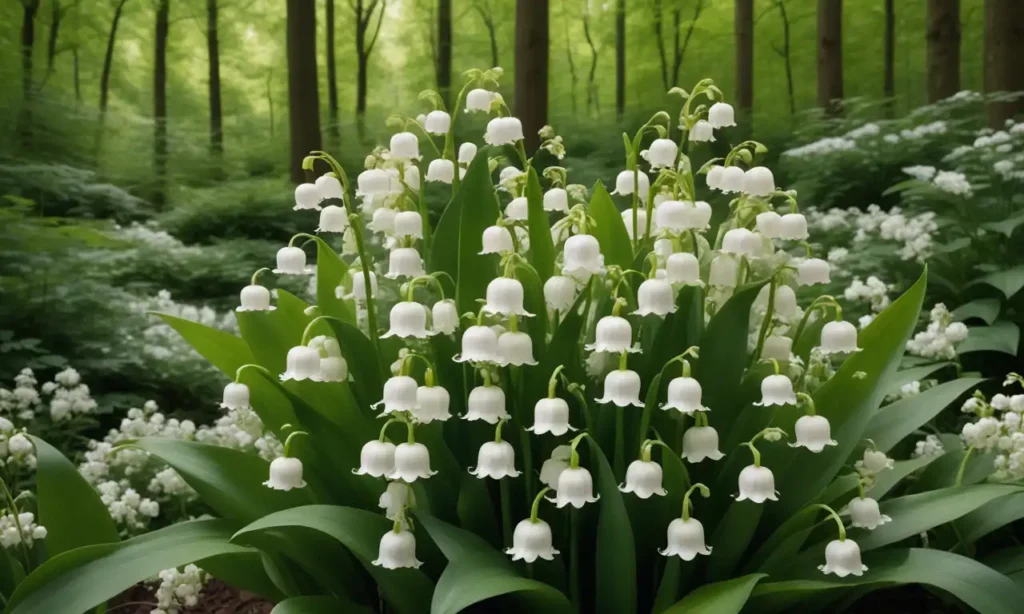
Lily of the valley (Convallaria majalis) has been cultivated in Europe for centuries. Christian legends say the flowers sprang from the Virgin Mary’s tears at the crucifixion, giving them a strong association with humility and purity. In medieval monastery gardens, they were valued for their fragrance, ornamental qualities, and symbolic role in spring festivals, where they marked seasonal renewal and the return of light after winter’s long darkness. The French tradition of offering “muguet” (sprigs of lily of the valley) on May 1st dates to 1561, when King Charles IX began presenting them as tokens of good fortune. This custom remains a cherished part of French culture today, firmly linking the plant to the month of May.
Symbolism and Meaning
The lily of the valley birth flower carries powerful meanings of humility, sweetness, and the return of happiness. Its pure white bells symbolize innocence and purity of heart. In the language of flowers, lily of the valley says “you’ve made my life complete,” making it a popular wedding flower. The blooms also represent motherhood, which connects with May’s Mother’s Day celebrations.
Different cultures add layers to its symbolism. In Finland, it’s the national flower, representing the country’s natural beauty. In France, its association with May Day adds themes of good luck and prosperity. Across Europe, it’s also tied to renewal, perseverance, and lasting affection. Despite its delicate appearance, the flower symbolizes inner strength—it returns faithfully each spring, spreading slowly but persistently through gardens.
Characteristics and Growing Information
Lily of the valley grows from underground rhizomes called pips, producing two or three broad leaves and delicate flower stalks. The pendant white bells, usually six to fifteen per stem, emit a sweet fragrance. Plants reach about eight inches tall, spreading slowly to form colonies in suitable conditions.
Growing the May flower of the month requires patience and specific conditions. They prefer partial to full shade with moist, well-draining soil rich in organic matter. Once established, they’re hardy, surviving well below zero. Because they spread underground, they make excellent groundcovers for shaded borders, woodland gardens, and even naturalized areas beneath trees or larger shrubs. Plants may take a year or two to bloom but then naturalize readily. Division every few years prevents overcrowding.
Modern Uses and Gift Ideas
Lily of the valley remains a luxury cut flower, with forced pips producing blooms for special occasions. Their short vase life and high cost make them precious gifts. Many florists offer potted plants that can transition to shady garden spots after blooming.
The flower’s iconic shape inspires jewelry designers, from delicate silver pendants to diamond-encrusted brooches. Its fragrance appears in classic perfumes, with synthetic versions capturing the scent year-round. Wedding bouquets often feature the bloom, especially royal ceremonies, where its symbolism of purity and devotion is emphasized. Decorative motifs also appear on fine china, embroidery, and seasonal greeting cards, extending its presence beyond fresh arrangements. Cultural traditions also keep it relevant—French Labor Day maintains the muguet custom, with street vendors selling bunches throughout Paris.
Hawthorn Birth Flower – Protective Blooms Of Lasting Hope
History and Origins
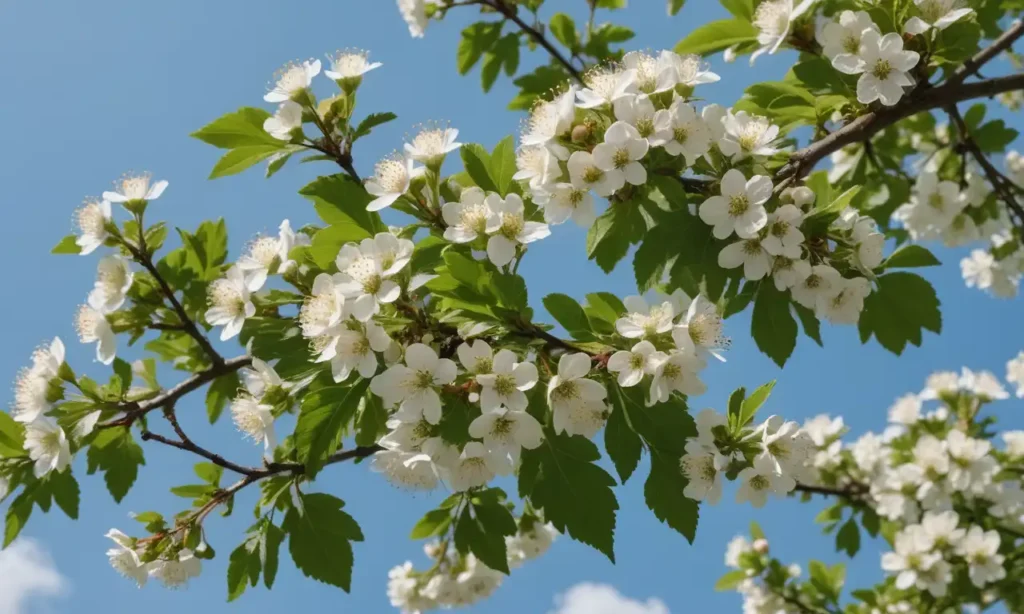
Hawthorn (Crataegus species) follows a wilder path into May symbolism. Ancient Greeks and Romans used hawthorn branches in weddings, believing the tree brought fertility and protection. In Celtic lore, hawthorn trees were considered sacred, often marking sites of fairy activity. The tree’s flowering coincides with Beltane, the May Day festival celebrating fertility and summer’s arrival. Traditionally, cutting hawthorn was avoided except during May, when its blossoms symbolized renewal and abundance. Medieval villagers decorated doorways and maypoles with hawthorn blooms, linking the plant to joy, community, and seasonal festivity. In Christian tradition, hawthorn gained new associations, with legends claiming the Crown of Thorns was woven from its branches, adding layers of reverence and caution to its cultural role.
Symbolism and Meaning
Hawthorn birth flower meanings encompass hope, supreme happiness, and protection. Ancient beliefs held that hawthorn could ward off evil spirits, leading to branches being hung over doorways. The tree’s thorns represent life’s challenges, while its flowers symbolize rewards for perseverance. In Celtic tradition, hawthorn marks the threshold between worlds. Its dual nature—protective thorns paired with delicate blossoms—reminds us that joy often comes after difficulty. In Victorian flower language, hawthorn conveyed messages of hope and heartfelt affection. Across Europe, its fragrant blooms decorated May Day celebrations, reinforcing its role as a flower of communal joy. Today, hawthorn continues to represent resilience and optimism, offering a birth flower that celebrates both protection and happiness.
Characteristics and Growing Information
Hawthorn includes several species, from small shrubs to thirty-foot trees. The May birth flower produces clusters of white, pink, or red blossoms with a musky scent. Flowers appear in May, followed by red berries called haws in autumn. Thorny branches provide excellent wildlife habitat and security when used as hedging.
Hawthorn’s adaptability makes it easy to grow. It thrives in full sun and tolerates many soils, requiring little maintenance once established. The plant withstands wind, urban pollution, and poor soils, making it valuable for city landscapes as well as countryside hedgerows. Its dense growth also provides nesting sites for birds, while pollinators benefit from the abundant spring flowers. Hardy and versatile, hawthorn endures for decades when properly sited, rewarding minimal care with seasonal beauty. This contrasts with lily of the valley’s more selective needs, giving gardeners flexibility depending on conditions.
Modern Uses and Gift Ideas
Hawthorn presents different gifting opportunities as a May birthday flowers. While cut branches make striking arrangements, the tree itself becomes a living memorial when planted for May birthdays. Hawthorn bonsai offer apartment dwellers a way to grow this birth flower.
For gardeners, gifting a young hawthorn sapling symbolizes long-term strength and resilience, offering beauty each spring with its flowers and autumn with its colorful haws. Hawthorn wood, traditionally used for walking sticks and small carvings, also makes thoughtful keepsakes. Beyond physical gifts, hawthorn imagery appears in art, folklore collections, and seasonal decorations celebrating May’s abundance.
In cultural traditions, hawthorn features prominently in May Day celebrations across Britain, with branches decorating maypoles and homes. Its blossoms remain symbols of abundance and protection, linking modern celebrations to ancient customs.
Wrapping Up
The May birth flower tradition offers those born this month a fascinating contrast. Lily of the valley brings delicate beauty and sweet fragrance, reminding us that small things can hold powerful presence. Hawthorn adds strength and protection with its sturdy branches and cheerful flowers. Together, they give May babies a floral heritage celebrating both gentleness and resilience.
Whether choosing fragrant lily of the valley or flowering hawthorn branches for May birthday celebrations, both May birthflowers carry messages of happiness, hope, and renewal. Their seasonal timing, cultural significance, and enduring symbolism make them timeless favorites that continue to inspire across generations and traditions. Their different forms—one herbaceous, one woody—ensure gardeners in many conditions can grow at least one May birth month flower, maintaining connections to May’s abundant spirit.
Interested in the June Birth Flowers? Check out June Birth Flowers: Journey Through the World of Rose and Honeysuckle!
Frequently Asked Questions
Q: Can I grow hawthorn in a small garden?
A: Yes, hawthorn adapts well to pruning and shaping. Choose dwarf varieties or maintain it as a shrub through regular trimming. Hawthorn also makes excellent hedging, providing seasonal flowers and attractive foliage. For very small spaces, consider growing hawthorn as a bonsai specimen.
Q: Why are the birth flowers for the month of May so different from each other?
A: The tradition of assigning flowers for May developed from both regional availability and cultural significance. Lily of the valley blooms reliably in May across temperate regions, while hawthorn’s May flowering made it central to spring festivals. Having both options ensures everyone can connect with their May birth flowers regardless of location.
Q: What makes lily of the valley such a meaningful birthday flower for May?
A: Its association with sweetness, humility, and the return of happiness makes it a powerful symbol of renewal during spring’s peak. Its delicate fragrance and timeless cultural connections, especially the French May Day tradition of offering sprigs as tokens of good luck, give it special significance for May celebrations.