

June brings summer’s arrival with two of the garden’s most beloved blooms as its birth flowers. The June birth flower is shared by the classic rose and the sweetly fragrant honeysuckle, offering those born this month blossoms steeped in romance and nostalgia. These June birth month flowers couldn’t be more perfectly matched to early summer—roses reaching peak bloom and honeysuckle perfuming warm evening air. Their timeless beauty and fragrance create unforgettable moments of joy and connection. Understanding the significance of the birth month flower for June enriches birthday celebrations during this magical time when gardens overflow with color and fragrance.
Rose Birth Flower – Timeless Love In Endless Colors
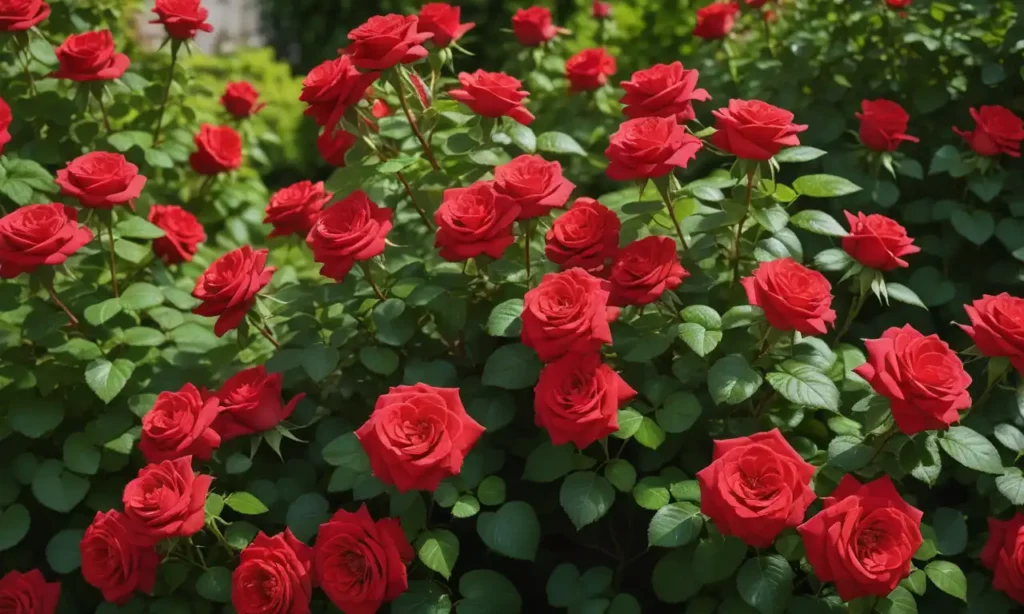
History and Origins
The rose (Rosa species) is one of the world’s oldest cultivated flowers, with fossil evidence suggesting it existed over 30 million years ago. Human cultivation began more than 5,000 years ago in China, spreading quickly through Persia, Egypt, and Greece. In Rome, roses were used in festivals, perfumes, and decorative celebrations, while stories claim Cleopatra famously filled her palace with rose petals to impress Mark Antony.
During the Middle Ages, roses gained religious importance, symbolizing the Virgin Mary. Later, the War of the Roses in England immortalized the flower as a political emblem. The arrival of repeat-blooming Chinese roses in Europe during the 18th century transformed breeding and established the rose as the ultimate symbol of romance, passion, love, and timeless beauty.
Symbolism and Meaning
The rose birth flower carries history’s most complex flower symbolism, with meanings shifting by color, number, and combination. Red roses universally symbolize passionate love, while white represents purity and new beginnings. Pink roses convey gratitude and admiration, yellow expresses friendship, and orange suggests enthusiasm. The number matters too—a single rose shows love at first sight, while a dozen declares complete devotion.
Beyond color symbolism, roses represent confidentiality (sub rosa), perfection, and achievement. Different cultures add layers—in Islam, the rose symbolizes the prophet Muhammad, while Buddhists see it representing the unfolding of wisdom. The rose also connects to numerous goddesses including Aphrodite, Venus, and Lakshmi, while in Persian poetry it symbolizes divine love, beauty, and fleeting life’s transience.
Characteristics and Growing Information
Roses encompass thousands of cultivars divided into categories like hybrid teas, floribundas, climbers, and shrub roses. Modern roses bloom repeatedly from June through frost, while heritage varieties often have single spectacular flowering periods. Heights range from miniature roses under a foot to climbers reaching thirty feet. Most roses feature thorns, though some varieties are nearly thornless, and newer cultivars emphasize fragrance as well as extended blooming seasons.
Growing the June flower of the month rose requires attention to several factors. Roses need at least six hours of direct sunlight and well-draining soil enriched with organic matter. Regular feeding during growing season promotes abundant blooms. Pruning varies by type—hybrid teas need hard pruning while shrub roses require minimal trimming. Disease resistance varies significantly between varieties.
Modern Uses and Gift Ideas
Contemporary June birthflower celebrations naturally focus on roses as the ultimate gift flower. Long-stemmed roses remain the gold standard for romantic occasions, with June birthdays benefiting from peak seasonal selection. Modern preserved roses last years without water, offering permanent reminders of love. Rose subscriptions deliver fresh blooms monthly, extending birthday celebrations far beyond a single day. Florists now offer mixed arrangements pairing roses with seasonal companions, creating gifts that feel both personal and memorable for June birthdays.
Modern interpretations of roses span numerous products. Rose-gold jewelry plays on the flower’s name, while actual roses preserved in resin create unique pendants. Home décor also frequently features rose prints, textiles, and artwork, extending their influence well beyond gardens. Festivals dedicated to roses worldwide celebrate peak bloom, keeping the June flower of the month relevant across cultures.
Honeysuckle Birth Flower – Sweet Bonds Entwined Forever Strong
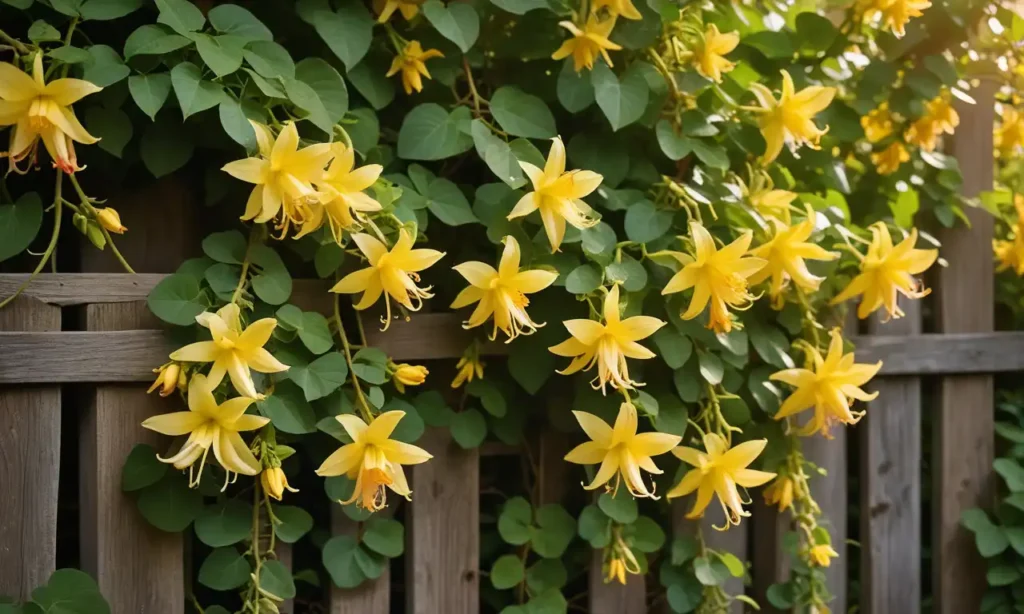
History and Origins
Honeysuckle (Lonicera species) has an equally long but quieter history. Native species grow across Asia, Europe, and North America. Its evening fragrance made it a favorite in cottage gardens and Victorian arbors. Writers and poets frequently referenced honeysuckle as a symbol of devotion, weaving it into songs and folklore. In Renaissance Europe, lovers were often depicted surrounded by honeysuckle, emphasizing its romantic associations. Its hardy nature allowed it to flourish in both humble cottages and grand estates, reinforcing its universal appeal. Its twining habit symbolized bonds of affection, making honeysuckle a natural companion to the rose in June’s birth flower tradition.
Symbolism and Meaning
Honeysuckle birth flower meanings encompass devoted love, sweet disposition, and bonds of affection. Its twining growth pattern symbolizes lovers embracing, making it popular in wedding décor. The flowers’ shape represents generous love that gives freely. In flower language, honeysuckle means “we belong together,” expressing permanent bonds. Because it often blooms at twilight, many traditions also link honeysuckle with dreams, attraction, and intuition. Folklore suggested that bringing honeysuckle indoors encouraged vivid dreams of future love. Its lasting fragrance carries symbolic weight too, representing memories and connections that linger long after moments have passed, echoing love’s endurance.
Characteristics and Growing Information
Honeysuckle includes both vining and shrub forms. The most fragrant June birth month flower varieties are typically evening-blooming to attract night pollinators. Japanese honeysuckle, while intensely fragrant, is invasive in many regions. Native varieties like trumpet honeysuckle provide wildlife value without aggressive spreading. Vines can reach twenty feet or more, thriving on fences, trellises, and pergolas. Shrub honeysuckles, by contrast, form dense mounds useful for hedging and habitat plantings. Regular pruning helps keep vigorous species in check, ensuring controlled growth. Honeysuckle’s tubular blooms are highly attractive to hummingbirds and butterflies, enhancing gardens while providing both vertical interest and seasonal fragrance. Honeysuckle tolerates partial shade and adapts easily to a range of soils, making it a versatile choice for casual gardeners and landscape designers alike.
Modern Uses and Gift Ideas
Honeysuckle presents unique gifting opportunities as the June birthday flower. While less common as cut flowers, potted honeysuckle vines make excellent presents for gardeners. Honeysuckle’s fragrance appears in perfumes, candles, bath products, and soothing herbal sachets.
Honeysuckle motifs also appear in summer scarves, embroidered linens, and garden-themed artwork. They are especially popular in watercolor prints and botanical illustrations, which capture the flower’s delicate form. Jewelry makers sometimes feature honeysuckle blossoms in silver or enamel pieces, extending its symbolism into wearable art. Decorative honeysuckle patterns are also common in wallpaper and fabric design, bringing a natural, summery feel indoors. In Southern U.S. culture, honeysuckle remains tied to nostalgia and childhood memories of its sweet scent, making it an especially sentimental June birth flower.
Wrapping Up
The June birth flower tradition gives those born this month two of gardening’s most cherished blooms. Roses bring timeless elegance and deep symbolism, representing love in all its forms. Honeysuckle adds natural beauty and enduring charm, symbolizing bonds that strengthen over time. This combination provides June babies with rich floral heritage celebrating both passion and permanence.
Whether selecting perfect roses or fragrant honeysuckle for June birthday celebrations, both flowers carry messages of love and connection. Together they reflect summer’s warmth, growth, and joy, reminding us that relationships flourish with care. June’s birth flowers highlight life’s sweetest moments while symbolizing enduring affection that continues to bloom. Their availability in numerous forms—from fresh cuts to living plants—ensures everyone can incorporate June birth month flowers into special occasions.
Interested in the July Birth Flowers? Check out July Birth Flowers: Meet Your Beautiful Larkspur and Water Lily!
Frequently Asked Questions
Q: What color rose should I give for a June birthday?
A: Color choice depends on your relationship and message. Pink roses work wonderfully for friends and family, expressing appreciation. Red suits romantic partners, while yellow celebrates friendship. Mixed bouquets combining several colors create cheerful birthday arrangements using birth flowers of June.
Q: Is honeysuckle invasive in gardens?
A: Some species, particularly Japanese honeysuckle, are highly invasive. Choose native varieties for your region or well-behaved cultivars like ‘Goldflame’ or ‘Peaches and Cream.’ These provide the June flower of the month beauty without aggressive spreading. Regular pruning keeps even vigorous varieties controlled.
Q: Can I grow roses and honeysuckle together?
A: Yes, they make excellent companions when properly sited. Train honeysuckle on structures away from roses to prevent tangling. Both flowers for June attract pollinators, and honeysuckle can provide backdrop screening for rose gardens. Ensure roses receive adequate sunlight despite honeysuckle’s presence.