

When the calendar flips to a fresh new year, those celebrating birthdays in the coldest month have something special to claim as their own. The January birth flower is shared by two distinct blooms: the vibrant carnation and the delicate snowdrop. Both flowers carry rich histories and meanings that make them perfect representatives for those born in the year’s opening month. Whether you’re shopping for birth flowers of January or simply curious about the the flower for January, understanding these blooms adds meaningful depth to any celebration or gift-giving occasion—gentle hope, tradition, and wintry charm to January birthday stories everywhere.
Carnation Birth Flower – Enduring Love In Every Petal
History and Origins
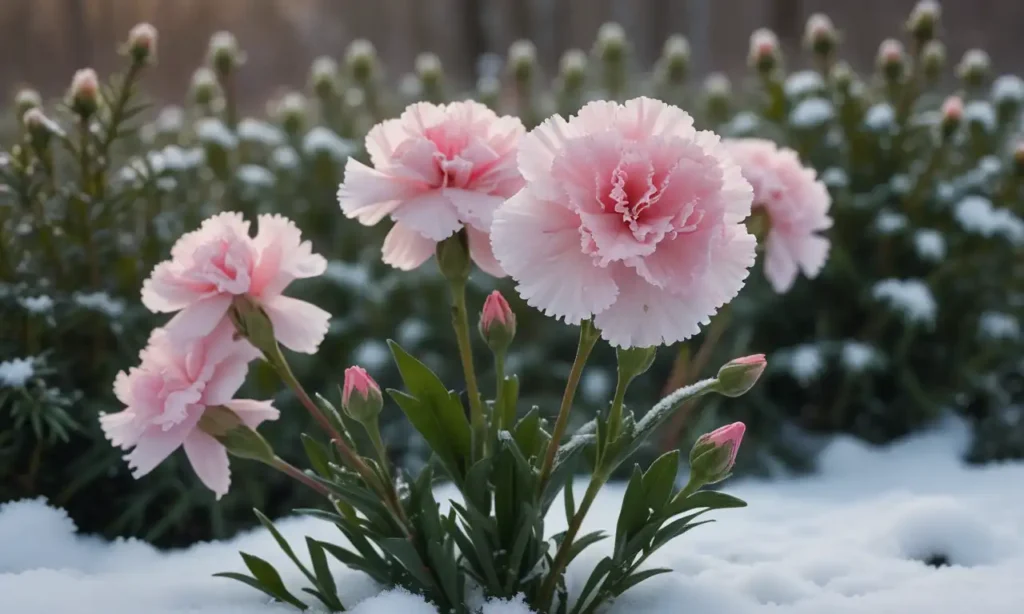
Carnations (Dianthus caryophyllus) are among the world’s oldest cultivated flowers, with records of their use dating back more than 2,000 years. Native to the Mediterranean, they were cherished by the ancient Greeks and Romans, who wove them into ceremonial crowns and garlands. The name “carnation” may come from the Latin carnis (“flesh”) for its natural pink hue, or from corona (“crown”) referencing its use in festivals. Over centuries, carnations spread widely through Europe and Asia, becoming symbols of love, admiration, and resilience. By the Victorian era, they were central to the language of flowers, where each color carried its own message. Their enduring popularity reflects not only their beauty but also their cultural versatility, appearing in art, literature, and celebrations across countless centuries.
Symbolism and Meaning
The carnation birth flower carries meanings that shift with its colors. White carnations symbolize pure love and good luck, fitting for January’s fresh start. Pink carnations represent gratitude and admiration, while red ones speak to deep love. There’s something appropriate about carnations representing January births; they’re resilient flowers that last surprisingly long once cut, much like the determination needed to pursue New Year’s resolutions. In Korea, carnations are worn on Parents’ Day, adding cultural depth to their symbolism. Other cultures link carnations to milestones such as weddings, graduations, and national holidays, where their wide range of colors makes them adaptable to nearly any occasion. This versatility enhances their reputation as flowers of enduring relevance and heartfelt emotion.
Characteristics and Growing Information
Carnations belong to the Dianthus family and are surprisingly easy to grow. These flowers thrive in well-drained soil with plenty of sunlight, though they tolerate partial shade. They prefer slightly alkaline soil and perform better with minimal fussing. Most varieties grow between 12 and 24 inches tall, producing ruffled blooms measuring up to three inches across. The stems are sturdy with blue-green foliage that stays attractive even when not blooming. Start carnations from seed indoors about 10 weeks before the last frost. They’re relatively pest-resistant, though aphids may occasionally appear. Gardeners often pinch back young plants to encourage bushier growth and more abundant blooms, while consistent deadheading extends the flowering season well into summer, ensuring vibrant displays throughout the warmer months.
Modern Uses and Gift Ideas
Carnation arrangements remain popular because of their longevity and affordability. A mixed bouquet makes a thoughtful birthday gift lasting up to three weeks with proper care. Beyond their use in bouquets, carnations appear in perfumes, bath products, and wedding décor, where their ruffled blooms symbolize lasting love and admiration. The growing interest in birth flower tattoos has also made carnations a favorite subject for artistic designs, celebrated for their timeless beauty and symbolic meaning. Florists frequently combine carnations with roses or lilies in celebratory arrangements, emphasizing their versatility in both casual and formal settings. Contemporary designers often feature carnations in minimalist displays, highlighting their textured petals and wide palette of colors as stylish yet accessible options for meaningful gifts.
Snowdrop Birth Flower – Hope Blossoms Through Winter Frost
History and Origins
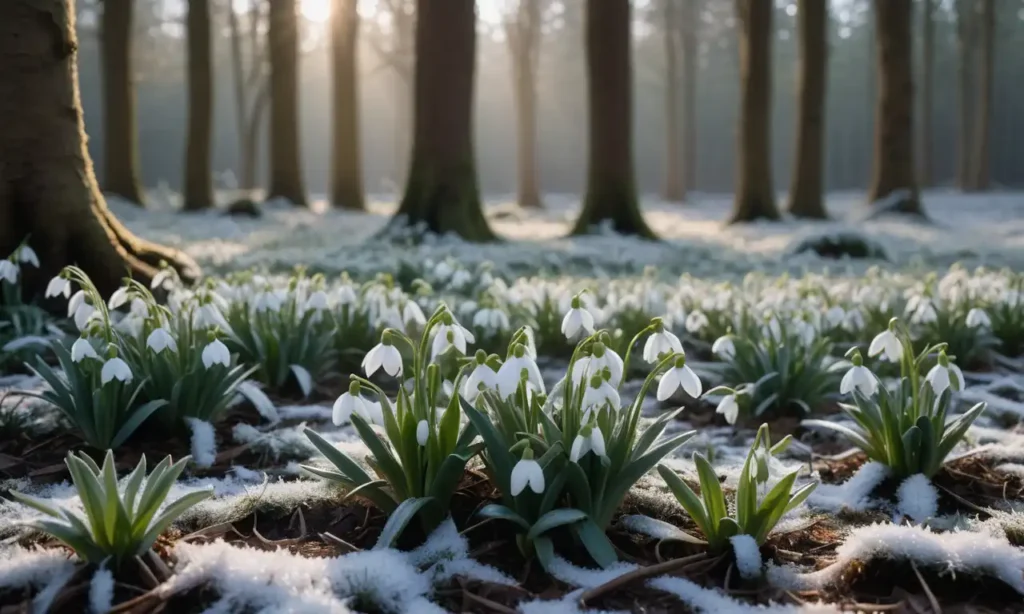
Snowdrops (Galanthus nivalis) are modest woodland perennials native to Europe and the Middle East. Their name means “milk flower of the snow,” reflecting their early blooming habit. They were cultivated in monastery gardens during the Middle Ages and associated with purity, hope, and consolation. Legends link them to religious stories, such as sprouting from Eve’s tears after expulsion from Eden. Introduced to Britain in the 16th century, snowdrops quickly naturalized, becoming cherished symbols of winter’s end and January’s promise of renewal. Over time, snowdrops spread through estates and cottage gardens, admired for their ability to bloom even when frost lingered. Their persistence in cold landscapes reinforced cultural associations with resilience, endurance, and the quiet strength needed to overcome adversity during the darkest season.
Symbolism and Meaning
The snowdrop birth flower represents hope, rebirth, and overcoming challenges. In flower language, snowdrops convey consolation and the promise that better times lie ahead. Some cultures view them as symbols of purity, while others see them as emblems of sympathy. In Christian tradition, snowdrops are called “Candlemas Bells” because they often bloom around February 2nd, bridging January into the next month. Their delicate appearance paired with remarkable hardiness makes them symbols of resilience, courage, and perseverance in difficult times. In Victorian floriography, receiving snowdrops suggested encouragement to endure hardship. Their pure white color reinforces themes of innocence and clarity, while their seasonal timing connects them with renewal, transformation, and the anticipation of brighter days soon to arrive.
Characteristics and Growing Information
Snowdrops are bulbous perennials that need a cold period to bloom properly, making them perfect for temperate climates. Plant bulbs about three inches deep in autumn, choosing spots with partial shade and moist but well-draining soil. Once established, snowdrops naturalize readily, spreading to form carpets of white flowers each winter. They typically reach four to six inches tall, with narrow leaves and drooping white flowers resembling tiny bells. They thrive best when planted in groups, as clusters create a more striking visual effect in the garden. Snowdrops pair well with other early bloomers like crocuses and winter aconites, adding layers of seasonal interest. With minimal care, they return reliably each year, quietly signaling the changing seasons.
Modern Uses and Gift Ideas
Snowdrops are rarely available as cut flowers, but they make excellent gifts as potted bulbs that can be planted after blooming. Garden centers sell pre-chilled bulbs for forcing indoors, bringing winter magic to windowsills. Artisans also create pressed snowdrop artwork or jewelry featuring the flower’s silhouette, offering elegant and lasting ways to honor the Jan birth flower. Snowdrop motifs appear on stationery, textiles, and home décor, often used in January weddings where snowdrop imagery adds seasonal charm. Beyond gifting, snowdrops are widely celebrated in photography and seasonal art prints, often capturing the first signs of life in snowy landscapes. Collectors sometimes seek antique snowdrop illustrations, which remain popular among botanical enthusiasts. Their enduring symbolism ensures snowdrops remain a favorite subject in creative and decorative works.
Wrapping Up
The January birth flower tradition gives those born in the year’s first month two blooms to celebrate their day. Carnations bring color, fragrance, and centuries of history, while snowdrops offer delicate beauty and inspiring messages of hope. Together, they capture January’s position as both ending and beginning—a month of reflection and renewal.
Understanding the significance behind these January flowers transforms them from simple plants into symbols of personality and celebration. Whether selecting January birthday flowers for someone special or exploring your own birth month symbols, both carnations and snowdrops offer stories worth sharing. Their contrasting traits ensure everyone born in January can find a birth flower resonating with personal style, creating a connection that feels both personal, enduring, and beautifully tied to the season’s spirit.
Interested in the February Birth Flowers? Check out February Birth Flowers: Explore the Beautiful Violet, Primrose, and Iris!
Frequently Asked Questions
Q: Can I grow both carnations and snowdrops in the same garden?
A: Yes! Plant snowdrops in partially shaded areas under trees where they’ll bloom in late winter, and place carnations in sunnier spots for color from late spring through summer.
Q: Do snowdrops really bloom in winter?
A: Yes. Snowdrops are among the first flowers to appear each year, often pushing through frost or even snow as early as January. Their early bloom makes them a powerful symbol of hope and renewal, perfectly suited to winter birthdays
Q: What color carnation should I choose for a January birthday gift?
A: Consider your relationship and message. Pink carnations express admiration and gratitude, white carnations suit new relationships or professional acknowledgments, and red carnations are perfect for romantic partners.