

April showers bring May flowers, but those born in April don’t have to wait—they get two delightful blooms all their own. The April birth flower features both the innocent daisy and the fragrant sweet pea, each bringing distinct charm to spring birthdays. These April birth month flowers couldn’t be more different in appearance, yet together they perfectly capture April’s spirit of gentle beauty and renewed growth. Their seasonal symbolism highlights joy, renewal, optimism, and fresh beginnings. Understanding the significance of the birth month flower for April adds special meaning to birthday celebrations during this verdant time of year.
Daisy Birth Flower – Innocence Shining With Simple Beauty
History and Origins
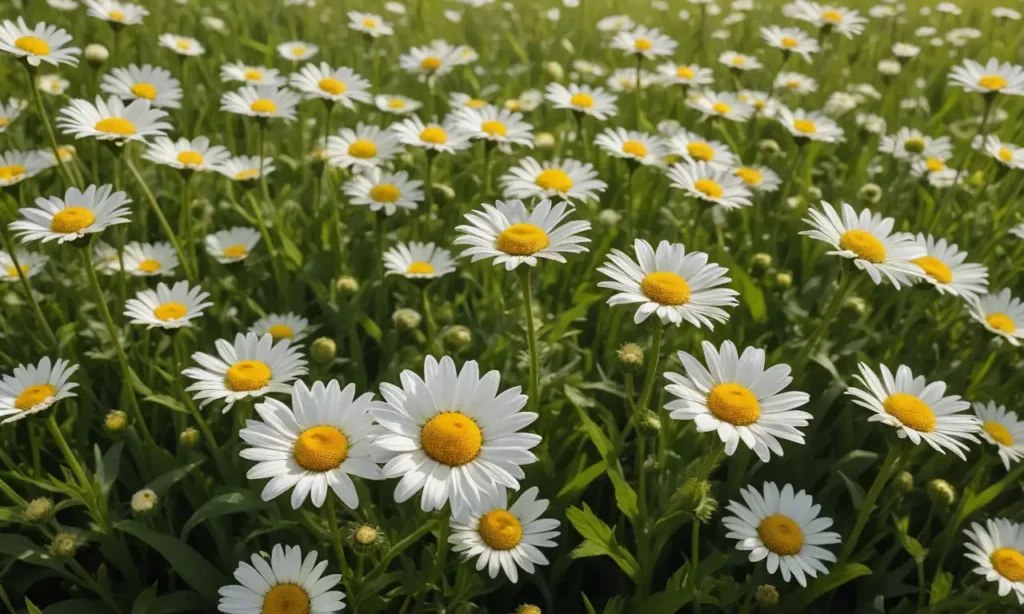
The daisy (Bellis perennis) has been cherished since ancient times. Its name comes from Old English “day’s eye,” referring to the way the flower opens at sunrise and closes at dusk. In Roman mythology, the nymph Belides transformed into a daisy to escape unwanted attention, cementing its association with innocence and purity. During the Middle Ages, daisies were woven into garlands and celebrated for their cheerful simplicity. They became common in folk celebrations marking seasonal change, reinforcing their role as symbols of renewal and continuity. Artists and poets frequently praised daisies, immortalizing them as emblems of natural beauty. By Victorian times, daisies were embedded in the “language of flowers,” often representing loyalty and childlike joy.
Symbolism and Meaning
The daisy birth flower carries meanings of innocence, purity, and new beginnings that resonate across cultures. In Celtic mythology, daisies sprouted from the tears of mothers who lost children, making them symbols of both grief and hope. Norse mythology associated daisies with Freya, goddess of love and fertility. Ancient folklore also tied daisies to protection and simple joys of life. This rich heritage makes daisies particularly meaningful as flowers for April, representing childlike wonder.
Different daisy colors convey specific messages. White daisies symbolize innocence and purity, making them popular for baby showers. Pink daisies express gentleness and admiration. Red daisies declare passionate love, while yellow varieties bring cheerfulness and friendship. The practice of making daisy chains represents bonds connecting people, perfect symbolism for April.
Characteristics and Growing Information
Daisies encompass numerous species worldwide, from the common English daisy to the larger Shasta daisy and vibrant Gerbera daisies. Most share the characteristic form of petals surrounding a central disk, though modern varieties offer every color except blue. Their adaptability and wide range of forms make them favorites in gardens across diverse climates and cultural traditions. English daisies grow inches tall, while Shasta daisies reach three feet, creating dramatic displays.
Growing the April flower of the month daisy depends on variety. English daisies prefer cool weather and partial shade, often behaving as short-lived perennials in mild climates. Shasta daisies thrive in full sun with well-draining soil, returning reliably year after year. Gerberas need consistent moisture and temperature protection. All benefit from deadheading.
Modern Uses and Gift Ideas
Contemporary April birthflowers celebrations embrace daisies for their cheerful simplicity. Fresh daisy bouquets remain popular, their cheerful faces brightening any room or celebration. Florists combine different daisy types for visual interest, mixing English daisies with Gerberas and Shasta varieties. Potted daisy plants make longer-lasting gifts, especially perennials that reliably return annually with each new spring season.
Modern interpretations extend beyond plants. Daisy jewelry ranges from simple studs to elaborate gemstone pieces. Designers often feature daisies in fashion prints, handbags, and accessories, using their playful imagery to evoke springtime optimism. Daisy motifs also appear in home décor accents like pillows, wall art, and table linens, reinforcing their timeless appeal. Pressed flower art preserves their charm permanently, creating keepsakes that endure for years.
Sweet Pea Birth Flower – Blissful Farewells And Heartfelt Gratitude
History and Origins
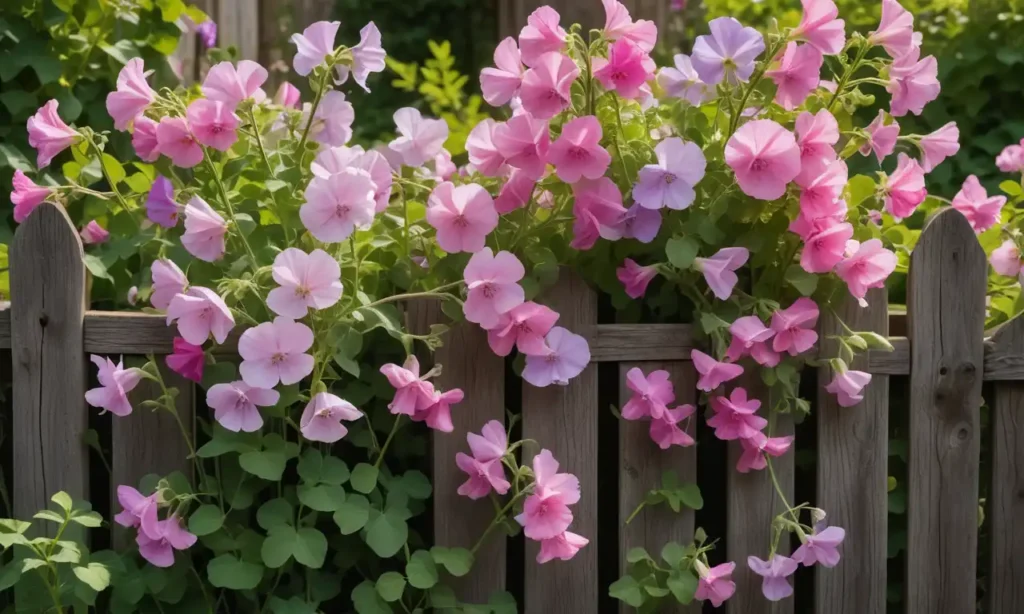
Sweet peas (Lathyrus odoratus) entered European gardens much later than daisies. Native to Sicily and southern Italy, they were first described in the 17th century when a Sicilian monk sent seeds to England in 1699. Victorian plant breeders developed hundreds of colorful cultivars, transforming sweet peas into one of the era’s most prized cut flowers. By the early 20th century, sweet peas had become staples in English country gardens and floral exhibitions, celebrated for their fragrance and climbing habit. Today, they remain beloved for their old-fashioned charm, filling gardens and bouquets alike with a sense of nostalgia and elegance. Their association with blissful pleasure and gratitude made them a natural fit as April’s second birth flower.
Symbolism and Meaning
Sweet pea birth flowers add layers of meaning with their associations of blissful pleasure, farewell, and gratitude. In Victorian flower language, sweet peas conveyed delicate pleasures and bittersweet departure. Their captivating fragrance earned associations with sensory pleasure. French brides traditionally included sweet peas in wedding bouquets. In modern symbolism, they continue to represent appreciation for simple joys and heartfelt goodbyes, making them appropriate for both festive occasions and parting gifts. Their pastel shades emphasize tenderness, while deeper tones suggest passion and intensity. Collectively, sweet peas reflect emotions that are fleeting yet deeply memorable, capturing April’s spirit of renewal and change.
Characteristics and Growing Information
Sweet peas demand specific conditions to flourish as April birthday month flowers. These climbing vines need cool roots and full sun, making them perfect for early spring planting. Soak seeds overnight before planting to improve germination. They require sturdy support structures, reaching six feet or more. Sweet peas prefer rich, well-draining soil. Regular picking ensures abundant blooms—the more you cut, the more they produce.
They’re also beneficial to pollinators, supporting long-tongued bees that can reach their deep nectar stores. Gardeners often mulch around the base to keep roots cool, extending the flowering period. Deadheading spent blooms also encourages continuous growth, preventing seed pods from forming. Modern breeding has created both dwarf and fragrant varieties, offering flexibility for gardens, containers, or even balconies with limited space.
Modern Uses and Gift Ideas
Sweet peas offer unique gifting as an April birthday flower. Their short vase life makes them precious—a luxury to savor immediately. Many gardeners grow sweet peas specifically for April birthdays, presenting fresh stems with morning dew. Seed packets of heirloom varieties make thoughtful gifts for gardening enthusiasts and help preserve floral heritage for future generations.
Fragrance plays a significant role in sweet pea gifts. Perfumers create sweet pea scents for candles, bath products, and personal fragrances. Sweet pea motifs also appear on scarves, stationery, and home décor. Artists frequently capture their trailing vines in watercolor paintings and embroidery, celebrating their elegance in handmade crafts. Photographers prize them for seasonal portrait backdrops, while event planners incorporate sweet pea arrangements into spring weddings for their charm, fragrance, and timeless symbolism of joy.
Wrapping Up
The April birth flower tradition offers those born this month two distinct blooms creating perfect harmony. Daisies bring sunshine and simplicity, reminding us that beauty doesn’t require complexity. Sweet peas add romance and refinement with their fleeting beauty and heavenly scent. This combination gives April babies a wonderfully balanced floral heritage.
Whether choosing cheerful daisies or elegant sweet peas for April birthday celebrations, both flowers carry messages of joy, appreciation, and fresh beginnings. They speak to April’s dual spirit—bright energy alongside gentle elegance—making them versatile symbols. Across cultures and generations, daisies and sweet peas continue inspiring gifts, gardens, and heartfelt celebrations. Their different growing requirements ensure gardeners in any climate can cultivate at least one April birth month flower, maintaining a living connection to April’s special blooms.
Interested in the May Birth Flowers? Check out May Birth Flowers: Embrace the Magical Lily of the Valley and Hawthorn!
Frequently Asked Questions
Q: Can I grow sweet peas in hot climates?
A: Sweet peas prefer temperatures below 65°F. In warm climates, plant in fall for winter and early spring blooms. Choose heat-tolerant varieties and provide afternoon shade. If summers are too hot, enjoy them as cool-season annuals.
Q: How long do daisies and sweet peas typically bloom?
A: Daisies can bloom for weeks to months depending on the variety, with Shasta daisies often flowering well into summer. Sweet peas have a shorter bloom period, usually from spring into early summer, but regular picking encourages more flowers.
Q: What makes sweet peas such a popular gift flower for April?
A: Their delicate fragrance and romantic symbolism of gratitude and pleasure make them especially meaningful. Even though the blooms don’t last long once cut, that fleeting quality enhances their charm for birthdays and spring celebrations.