

Spring makes its bold entrance in March, and those celebrating birthdays during this transformative month can claim two of nature’s most optimistic blooms. The March birth flower includes both the cheerful daffodil and its sweetly scented cousin, the jonquil. These golden harbingers of warmer days ahead perfectly embody the spirit of the birth flowers of March—hope, renewal, and fresh beginnings. Though many people treat these names as interchangeable, understanding the unique qualities of both daffodils and jonquils adds richer context, deeper symbolism, and greater appreciation for March’s cherished floral heritage.
Daffodil Birth Flower – Fresh Beginnings Filled With Joy
History and Origins
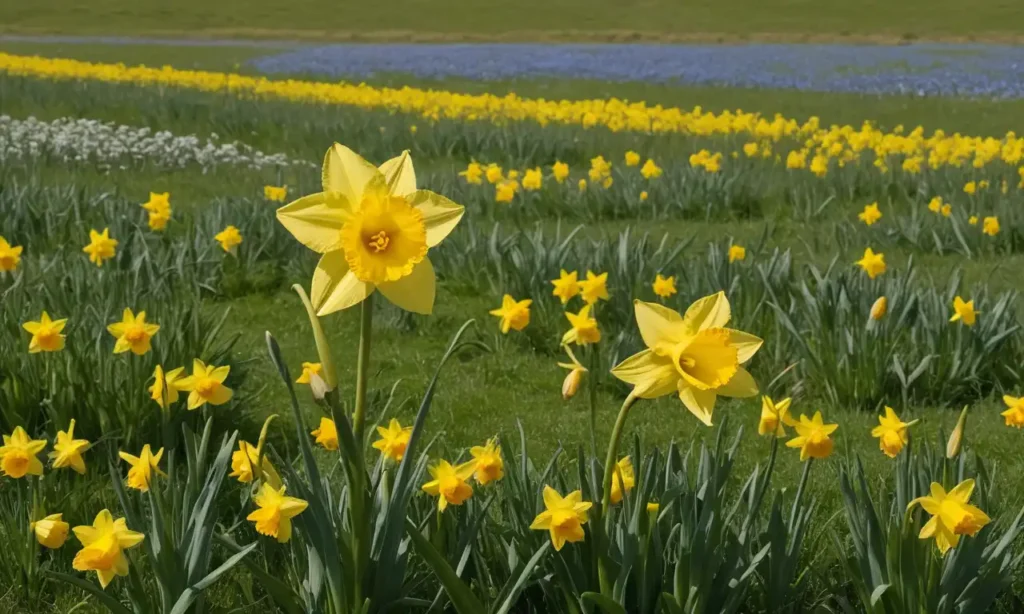
Wild Narcissus species once carpeted hillsides across the Mediterranean and parts of Asia. The name “daffodil” is believed to have evolved from “asphodel,” a flower of Greek lore. In Greek mythology, the tale of Narcissus explains the flower’s origin: the youth, entranced by his reflection, withered away until a daffodil bloomed where he had fallen. This story gave the flower associations with self-reflection and the dangers of vanity, while its spring bloom tied it to rebirth and hope.
By the Middle Ages, daffodils were well established throughout Europe, carried later to the New World by colonists. Their cheerful early blooms, ability to naturalize, and resilience through cold weather secured their place as March’s symbols of renewal and optimism.
Symbolism and Meaning
The daffodil birth flower speaks a language of rebirth and unconditional love. As one of the earliest spring bloomers, daffodils naturally represent new beginnings and the triumph of life over winter’s dormancy. Victorian flower dictionaries warned that a single daffodil foretold misfortune, but a bouquet guaranteed happiness—a tradition that continues today.
Cultural interpretations add richness to daffodil symbolism. Chinese tradition holds that daffodils blooming during the New Year bring twelve months of good luck. In Western culture, these sunny flowers represent creativity, inspiration, and forgiveness. Welsh tradition also regards the daffodil as a national emblem, symbolizing pride, prosperity, and enduring hope for the future. The American Cancer Society adopted the daffodil as its symbol of hope, making it an emblem of strength.
Characteristics and Growing Information
Standard daffodils usually bear single, larger flowers with lighter fragrance and flat, strap-shaped leaves of paler green. Plant bulbs in fall, about six inches deep in well-draining soil. These March birth flowers need a cold dormant period—at least twelve weeks below 48°F—to bloom properly. This makes them ideal for temperate climates but difficult in tropical zones without pre-cooling bulbs.
They naturalize enthusiastically when happy, spreading through bulb division and seeds. They’re also reliable plants that return year after year with minimal care, making them a favorite for spring gardens.
For extended blooming, plant early, mid, and late-season varieties. Miniature types like ‘Tête-à-tête’ bloom first, followed by classic trumpet daffodils, with poet’s daffodils extending the season into late spring. After blooming, resist cutting foliage until it yellows naturally—those leaves recharge bulbs for next year’s display.
Modern Uses and Gift Ideas
Fresh-cut daffodils remain a popular flower for March birthdays, though they require careful handling. Their stems leak sap that shortens other flowers’ vase life, so condition daffodils alone in water for several hours before mixing bouquets. Potted bulbs offer longer enjoyment and transition easily to gardens after blooming.
Craft enthusiasts embrace daffodils through many mediums. Pressed daffodil artwork preserves their sunny disposition year-round. Jewelry designers create pieces featuring daffodil motifs in silver pendants or bold enamel brooches. Silk and felt reproductions provide everlasting alternatives capturing their cheerful essence without maintenance.
Garden-themed gifts include specialty bulb collections, particularly heritage varieties not found in typical centers. Subscription services deliver rare Narcissus cultivars each fall, building collections over time. For immediate enjoyment, forced bulbs in decorative containers bring spring indoors even when snow still covers the ground.
Jonquil Birth Flower – Fragrant Devotion And Tender Affection
History and Origins
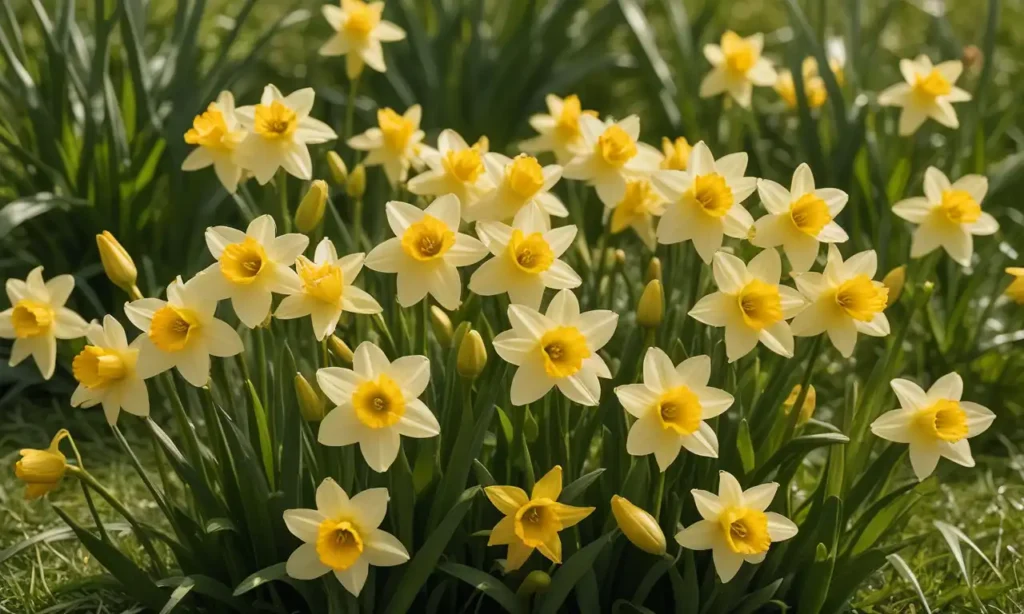
Jonquils, a subgroup of Narcissus (Narcissus jonquilla), earned distinction through their slender, rush-like leaves and clusters of sweetly scented yellow flowers. Their name comes from the Spanish word junquillo, meaning “rush.” Highly prized in Moorish gardens for their fragrance, they spread across Europe via trade routes and became treasured in monastery and cottage gardens alike. By the Renaissance, jonquils were cultivated in royal gardens and admired by botanists who praised their delicate form and intoxicating scent. Their popularity continued to grow in the Victorian era, where they became symbols of affection and refinement. Today, jonquils remain beloved in both wildflower meadows and cultivated landscapes, carrying forward centuries of appreciation for their cheerful presence.
Symbolism and Meaning
The jonquil birth flower carries more intimate meanings. While sharing the daffodil’s association with spring’s return, jonquils specifically convey desire, sympathy for others, and the hope that love will be returned. Their heady fragrance creates lasting memories. In the Victorian language of flowers, white jonquils expressed sweet disposition and virtue, while golden ones declared passionate affection. Poets often praised jonquils for their ability to evoke nostalgia, linking them with tender emotions and heartfelt remembrance. Their smaller blooms and clusters suggested unity and togetherness, making them ideal emblems for relationships built on loyalty and shared devotion. In many cultures, presenting jonquils communicates sincerity, a quiet promise that feelings expressed are genuine. This blend of romance, remembrance, and sincerity distinguishes jonquils from their daffodil cousins.
Characteristics and Growing Information
True jonquils (Narcissus jonquilla) produce clusters of two to six small, highly fragrant flowers with rounded petals. Their leaves are narrow, rush-like, and dark green. Like daffodils, they require planting in fall, well-draining soil, and a period of cold dormancy to bloom successfully. Jonquils thrive in full sun to partial shade and naturalize easily when undisturbed, returning in larger numbers each year. They generally reach 12 to 18 inches in height, making them suitable for borders or naturalized plantings. When grouped in drifts, their golden blossoms create striking displays that brighten early spring landscapes. Jonquils are also excellent for container gardening, offering gardeners flexibility in small spaces.
Modern Uses and Gift Ideas
Jonquils are less common as cut flowers but beloved for their fragrance and smaller blooms. Potted jonquil bulbs make thoughtful gifts, and their fragrance alone often carries sentimental weight. Like daffodils, they can be incorporated into art, jewelry, and seasonal décor. Because of their uplifting scent, jonquils are often included in spring festivals and floral exhibitions, where they symbolize renewal and affection. Their charming form inspires painters and designers, who frequently use the flower as a motif in prints, textiles, and home accessories. Collectors value antique postcards featuring jonquil illustrations, and modern artisans craft pressed-flower bookmarks and framed artworks that highlight their delicate beauty.
Wrapping Up
The March birth flower tradition gives those born in this transitional month two blooms capturing spring’s awakening spirit. Daffodils and jonquils share symbolism of renewal and hope while offering distinct personalities—one bold and cheerful, the other delicate and fragrant. Their combined message speaks to March babies about resilience, optimism, and fresh starts.
Whether selecting flowers for a March birthday gift or appreciating your own birth month bloom, these flowers remind us that endings lead to beginnings. They illustrate nature’s timeless cycle, where every dormancy gives way to beauty once more, reinforcing March’s role as a month of growth and promise. The ease of growing March birthflowers means anyone can cultivate their connection to this tradition, watching these harbingers of spring return year after year.
Interested in the April Birth Flowers? Check out April Birth Flowers: Celebrate the Stunning Daisy and Sweet Pea!
Frequently Asked Questions
Q: What’s the real difference between daffodils and jonquils?
A: Though all jonquils belong to the daffodil family, true jonquils have specific characteristics. They produce multiple small, intensely fragrant flowers per stem with narrow, rush-like foliage. Standard daffodils typically have one larger bloom per stem with broader, flat leaves. Both count as an official flower of the month for March.
Q: Can I grow the March birth flower in warm climates?
A: These March birthflowers need winter chill to bloom, making them difficult in tropical areas. Southern gardeners can plant pre-chilled bulbs as annuals or try paperwhites, which don’t require cold periods though they’re not technically a birth flower for the month of March.
Q: How long do daffodils and jonquils bloom each spring?
A: Bloom time varies by variety, but most daffodils and jonquils flower for about 4–6 weeks. Planting a mix of early, mid-season, and late varieties extends the blooming season well into late spring.