

As winter begins loosening its grip and hints of spring appear, those born in the shortest month can claim three stunning blooms as their February birth flower. While some traditions list only one or two, many recognize three: the sweet violet, cheerful primrose, and regal iris. Together, these blossoms highlight resilience, charm, and quiet strength, offering February-born individuals a floral heritage perfectly aligned with their month’s transitional character. Each of these February birth month flowers bring unique beauty and symbolism to those celebrating birthdays during this time. Understanding their significance helps create more meaningful celebrations and thoughtful gifts.
Violet Birth Flower – Quiet Strength With Gentle Charm
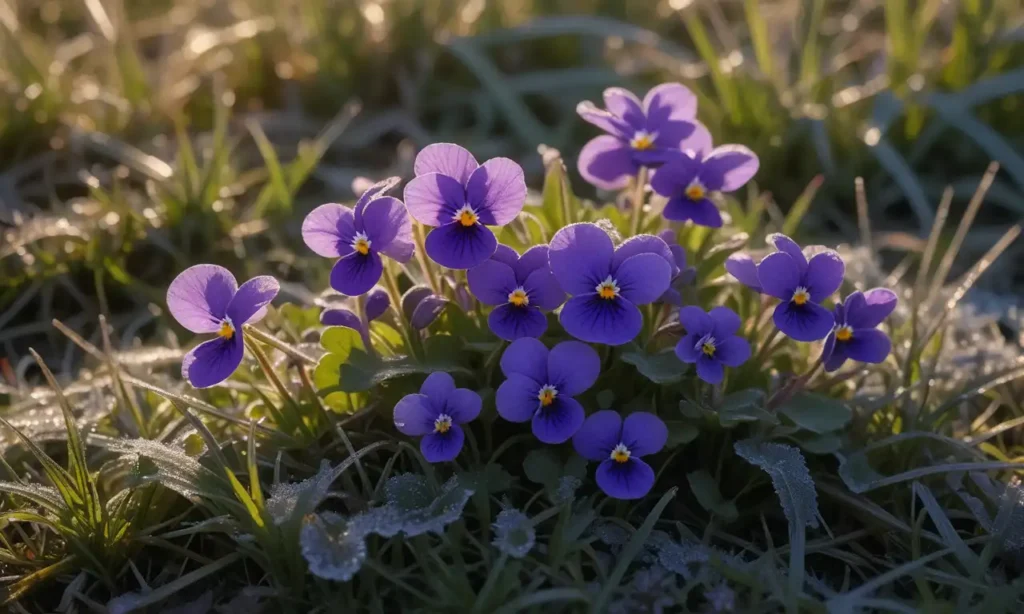
History and Origins
Violets, native to Europe and Asia, carry one of the richest cultural histories. The ancient Greeks associated them with love and fertility, while Romans celebrated violets in festivals and garlands, valuing their beauty and fragrance in seasonal traditions. By the 19th century, violets were so popular that they became Napoleon’s signature bloom. He reportedly declared his loyalty to Josephine with violets, and supporters of his legacy often wore them as symbols of devotion. In Victorian England, violets became widely cultivated for their fragrance and were frequently exchanged in tussie-mussies, the small nosegays used for coded messages. Across many cultures, violets were admired for their ability to bloom early, enduring cooler conditions when other flowers remained dormant. This persistence made them treasured as emblems of constancy and modest strength, ensuring their place in both gardens and traditions. Their long-standing use in perfumery and decorative arts reinforced their reputation as delicate yet enduring winter flowers.
Symbolism and Meaning
Violets bring modesty, faithfulness, and spiritual wisdom to the February birth flower tradition. These humble blooms represent humility despite beauty, suggesting true worth comes from within. Purple violets symbolize daydreaming and contemplation, white represent innocence and purity, while yellow violets convey a sense of high worth combined with modest value. In literature, poets often used violets to express themes of quiet devotion and unspoken affection, giving the flower an added layer of meaning in romantic symbolism. Religious associations also strengthened their message of humility, as violets frequently appeared in medieval art representing the Virgin Mary. Their gentle colors and delicate form reinforced these ideas of virtue and steadfast love. Their enduring charm makes violets a fitting emblem of loyalty and quiet strength for those born in February.
Characteristics and Growing Information
Violets are perhaps the easiest to grow, often becoming self-seeding in suitable environments. These low-growing plants spread through seeds and runners, forming groundcovers in shade. They tolerate many soils but thrive in rich, moist earth. Most stay under six inches, producing cheerful blooms from spring through summer. Their heart-shaped leaves remain attractive year-round, adding garden texture and charm. They adapt especially well to woodland gardens, where their preference for dappled light is met naturally by trees overhead. Gardeners often find violets spreading in unexpected corners, lending a whimsical quality to landscapes. Some varieties release a delicate fragrance, especially in the evening, which adds sensory interest to shaded areas. Their ability to thrive with minimal maintenance makes them rewarding plants for both beginners and seasoned gardeners.
Modern Uses and Gift Ideas
Violets inspire especially creative February birthday gifts. Violet-scented perfumes remain timeless classics still favored by many. Pressed violet jewelry preserves real flowers in resin, creating distinctive handmade pieces celebrating the February birth flower. Artisans also craft violet-themed stationery, artwork, and decorative keepsakes, making these blooms a lasting symbol of modesty and devotion. Potted violets also make thoughtful living gifts, brightening homes and providing long-lasting reminders of affection. Their compact size and ease of care make them suitable even for small apartments or workspaces. Illustrators and designers frequently incorporate violet motifs into greeting cards, calendars, and seasonal décor, ensuring the flower’s charm carries into daily life. In fine art, violets have inspired countless still-life paintings, further embedding them in cultural memory as symbols of quiet elegance.
Primrose Birth Flower – First Love’s Sweet Spring Promise
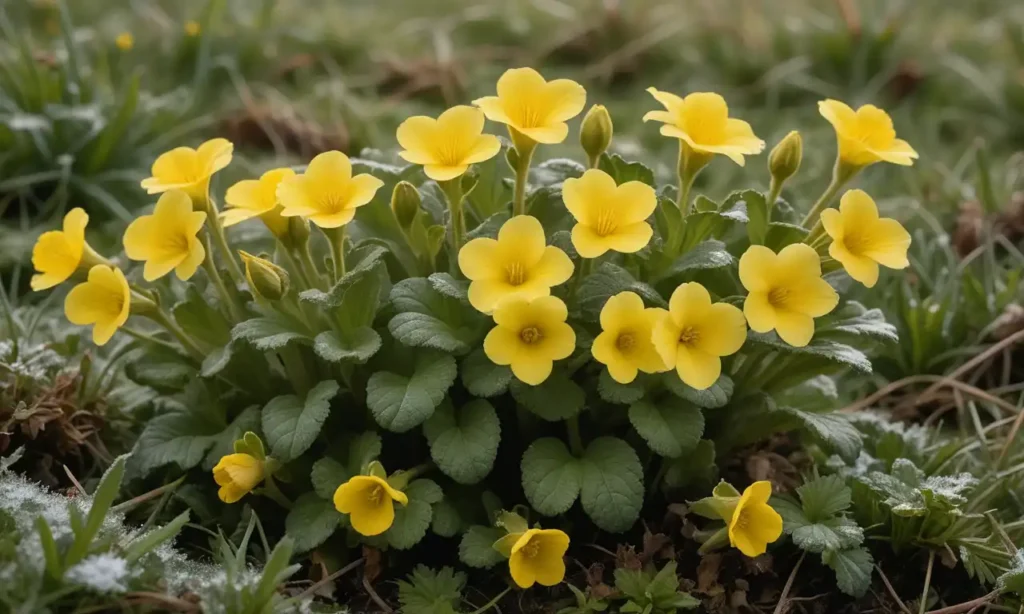
History and Origins
Primroses (Primula vulgaris) earned their place as a February birth flower because of their early flowering habit. The name derives from the Latin prima rosa (“first rose”), reflecting their role as one of spring’s earliest blooms. They were cherished in medieval and cottage gardens for their charm, while Victorians celebrated their ornamental appeal, breeding hundreds of varieties. Primroses also appear in English folklore, often linked to protection and luck when placed near doorways. Shakespeare referenced them in several plays, using the flower as a symbol of youth and fleeting beauty. Their broad popularity across Europe helped them spread into poetry, art, and cultural traditions, reinforcing their status as harbingers of spring and reminders of life’s continual renewal. Their emergence in late winter made them natural symbols of new beginnings.
Symbolism and Meaning
The primrose birth flower represents young love, new beginnings, and devotion. These delicate blooms suggest that while love may be young, it runs deep and true. In flower language, primroses say “I can’t live without you,” making them romantic choices for February, the month of Valentine’s Day. Different colors add nuance: red signals unspoken love, purple indicates first love, and yellow suggests friendship warming toward romance. Victorians often exchanged primroses as tokens of secret admiration, while folklore sometimes tied them to fairies, believing clusters of the flowers marked hidden entrances to magical realms. Their association with innocence and renewal also connects them naturally with spring festivals, when communities celebrated the return of light and growth after long, cold winters.
Characteristics and Growing Information
Primroses thrive in conditions reflecting their woodland origins: partial shade with rich, moist soil. These compact plants rarely exceed eight inches, forming rosettes of textured leaves that add interest even without flowers. They prefer cool temperatures, making them perfect for early spring displays in borders or containers. Many varieties are perennial in favorable climates, reliably returning with minimal care. The flower of the month for February benefits from watering during dry spells and occasional division to keep clumps healthy. Gardeners often plant them along pathways or under deciduous trees, where their blooms brighten spaces just awakening from winter. Hybrid primroses expand the palette dramatically, offering vibrant pinks, blues, and multicolored forms, making them favorites for cheerful seasonal arrangements and naturalistic plantings.
Modern Uses and Gift Ideas
Primroses have found new life as cheerful potted plants perfect for late winter gift-giving. Garden centers showcase rainbow arrays of colors in decorative containers, from pale pastels to vibrant jewel tones. After blooming indoors, these can be transplanted outdoors where climate permits, extending enjoyment through multiple seasons. Primrose-themed gifts extend to botanical prints, pressed flower bookmarks, scented soaps, and primrose-scented candles that capture their delicate fragrance for months. They also appear in embroidery patterns, greeting cards, and seasonal décor, adding a gentle reminder of spring’s approach. Artists frequently feature primroses in watercolor paintings and illustrations, celebrating their role as harbingers of warmth and light. This versatility keeps primroses relevant as thoughtful, enduring symbols for February birthdays and occasions.
Iris Birth Flower – Courage, Wisdom, And Divine Vision
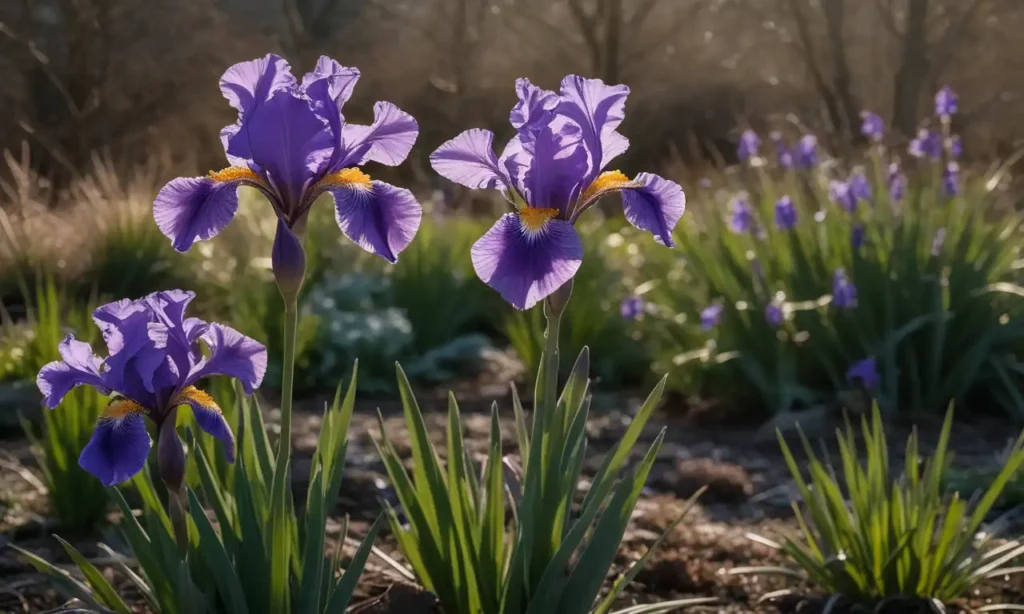
History and Origins
The iris has ancient origins, named after the Greek goddess Iris, who was believed to link heaven and earth. Irises appear in Egyptian temple art, were cultivated widely in the Mediterranean, and became enduring European symbols of power and faith. The fleur-de-lis, derived from the iris, was adopted by French royalty as a national emblem, highlighting the flower’s prestige. Medieval gardens often featured irises both for their beauty and for their heraldic symbolism, reinforcing their role in culture and religion. Artists across centuries used them as motifs in stained glass, tapestries, and manuscripts, associating the blooms with divine wisdom and protection. By the Renaissance, irises had become fixtures in European art and gardens, admired for both elegance and meaning.
Symbolism and Meaning
The iris birth flower symbolizes wisdom, valor, and faith. Different colors convey distinct messages: purple represents royalty, yellow passion, blue suggests faith and hope, while white indicates purity. In many cultures, irises act as bridges between earth and heaven, making them popular funeral flowers and symbols of communication. For February births, irises embody courage to bloom despite challenging conditions. Victorians often used irises to send messages of admiration or deep respect, while in Japanese culture the flower became associated with purification and protection from evil. The sword-like leaves also reinforce themes of strength and resilience, complementing the spiritual symbolism of the blooms. Across traditions, irises consistently emphasize vision, clarity, and inspiration, qualities that align well with February birthdays.
Characteristics and Growing Information
Irises are remarkably diverse, with over 300 species ranging from tiny rock garden varieties to tall bearded types reaching four feet. Most grow from rhizomes, preferring full sun and well-draining soil. They’re drought-tolerant once established, excellent for low-maintenance gardens. Bearded irises need rhizomes partially exposed, while Japanese and Siberian irises prefer moist conditions. These February birth flowers bloom from early spring through early summer, offering lasting color and variety. Their striking sword-shaped foliage remains attractive after flowering, adding structure to beds and borders throughout the season. Many gardeners also prize irises for their ability to attract butterflies, bees, and hummingbirds, enriching garden biodiversity. With thoughtful placement and occasional division, iris clumps will thrive for years, providing reliable beauty and symbolic meaning to landscapes.
Modern Uses and Gift Ideas
Irises make stunning cut flowers, often lasting a full week with proper care. Their dramatic forms work beautifully in sleek modern arrangements or when combined with softer companion blooms. Many florists also offer potted iris bulbs as lasting gifts, allowing recipients to enjoy seasonal blooms year after year in both indoor and outdoor settings. Beyond gifting, irises hold cultural significance in art and design, frequently appearing in paintings, textiles, and decorative motifs. Their elegant silhouette makes them a favorite for spring weddings, where they symbolize faith and hope. Iris-inspired jewelry, stationery, and home décor extend the flower’s appeal into everyday life, ensuring this February birth flower remains versatile and meaningful. For gardeners, sharing divided iris clumps is also a traditional way of passing beauty and symbolism between generations.
Wrapping Up
The February birth flower tradition offers remarkable variety with iris, primrose, and violet each contributing unique beauty to February birthdays. This trio captures the month’s transitional character—hinting at spring’s renewal while winter still holds its place. Irises bring drama, primroses add cheer, and violets provide sweet charm.
Understanding these Feb birth month flower options enriches celebrations and gift-giving. Whether choosing single types or combining all three, February’s birth flowers offer countless ways to honor those born during this month. Their varied requirements mean gardeners in almost any climate can cultivate at least one February birth flower. Together, they create a diverse tapestry of meaning, ensuring every February-born individual finds a flower that resonates with their personality, traditions, or aesthetic preferences in truly memorable ways.
Interested in the March Birth Flowers? Check out March Birth Flowers: Uncover the Secrets of the Daffodil and Jonquil!
Frequently Asked Questions
Q: Which February birth flower is most appropriate for romantic occasions?
A: Primroses and violets traditionally carry strongest romantic symbolism. Primroses mean “I can’t live without you,” perfect for Valentine’s Day or romantic February birthdays. Violets represent faithfulness in love. Combine both with purple irises for meaningful bouquets using all February birth flowers.
Q: Can I grow February birth flowers indoors?
A: Yes! Primroses adapt well to indoor growing in cool, bright locations. Miniature irises can be forced indoors from bulbs. African violets, cousins to wild violets, make excellent houseplants. Having the February flower of the month growing indoors brings continuous connection to birthday symbolism.
Q: Why does February have three birth flowers?
A: February’s multiple flowers developed from different regional traditions and seasonal availability. In colder climates, violets might be the only February bloom available, while warmer areas offer irises or primroses. Having three options ensures everyone can access their Feb birth flower regardless of location.