

July’s heat brings two contrasting blooms that perfectly capture summer’s peak intensity. The July birth flower highlights both the towering larkspur and the serene water lily, offering those born this month flowers from garden and pond. These July birth month flowers represent different elements—larkspur reaching skyward while water lilies float peacefully on still waters. Their pairing mirrors July’s balance of bold growth, reflective beauty, and summer’s transformative power. Together they embody July’s dual nature of vibrant energy and languid summer days. Understanding the significance of the birth month flower for July adds special meaning to midsummer birthday celebrations.
Larkspur Birth Flower – Joyful Spirits Reaching Toward Light
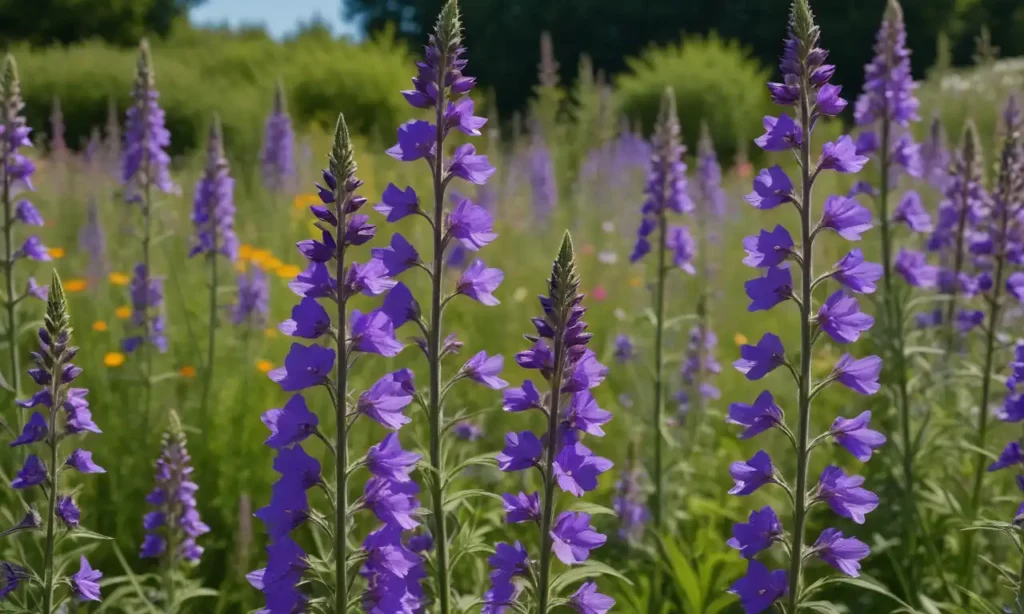
History and Origins
Larkspur (Consolida species), closely related to delphiniums, takes its name from the flower’s spurred petals, thought to resemble a lark’s claw. Some traditions list delphinium separately as a July flower, but most group it with larkspur since the two share a similar appearance, history, and symbolism. The ancient Greeks and Romans knew larkspur well; soldiers believed the plant offered protection in battle, and legends tell of Ajax’s blood transforming into larkspur after his death in the Trojan War.
By the Middle Ages, Europeans referred to it as “knight’s spur,” linking the flower with chivalry and honor. Renaissance gardens prized its tall spikes of blue and purple, and settlers later carried seeds to the Americas, where native species already thrived. Larkspur quickly adapted to new landscapes, naturalizing in meadows, homestead gardens, and wild borders, becoming a familiar sight in cottage-style plantings and traditional summer festivals.
Symbolism and Meaning
The larkspur birth flower carries meanings of lightness, levity, and open heart. Its upward-reaching form symbolizes aspiration and spiritual ascension. Different colors convey specific messages—blue larkspur represents dignity and grace, pink expresses fickleness, white signifies happiness, and purple denotes first love.
In Victorian flower language, larkspur could express either joy or indicate someone was fickle in love, depending on context. Modern interpretations focus on positive aspects—celebration, encouragement, and cheerfulness. Because of its tall, airy form and vivid colors, larkspur is often seen as a flower that lifts the spirit, reminding people of optimism, freedom, and carefree summer joy. The larkspur perfectly suits summer birthdays with its festive appearance and uplifting symbolism.
Characteristics and Growing Information
Larkspur refers to annual Consolida species, closely related to perennial delphiniums. Plants produce tall spikes of spurred flowers, reaching two to four feet depending on variety. Colors span deep blue, pink, white, and bicolors. Ferny foliage adds texture before blooms appear.
Growing larkspur requires cool weather for germination. Direct sow seeds in early spring or fall in mild climates. They prefer full sun to light shade with rich, well-draining soil. Once established, larkspur tolerates dryness but grows best with steady moisture. Plants often self-sow, forming natural drifts over time. Gardeners value larkspur not only for its colorful impact but also for its ability to fill gaps in borders, add height, and attract pollinators like bees and butterflies throughout summer.
Modern Uses and Gift Ideas
Fresh larkspur makes excellent cut flowers, lasting over a week in arrangements. Dried larkspur retains color beautifully, creating permanent bouquets and pressed designs. Seeds make thoughtful gifts for gardeners, especially heirloom varieties with unique colors and striking bi-color petals.
Larkspur also inspires textile designs, wallpapers, and embroidered patterns. Its airy form appears in modern décor, while bohemian wedding bouquets often feature spikes of larkspur for height and texture. In art and photography, larkspur often symbolizes freedom and joy, making it a favored subject for seasonal collections. Florists combine it with roses, lilies, or wildflowers to balance arrangements, while digital designers use its spired shapes in illustrations. Its versatility ensures larkspur remains relevant across both traditional and contemporary creative expressions.
Water Lily Birth Flower – Serenity Rising From Still Waters
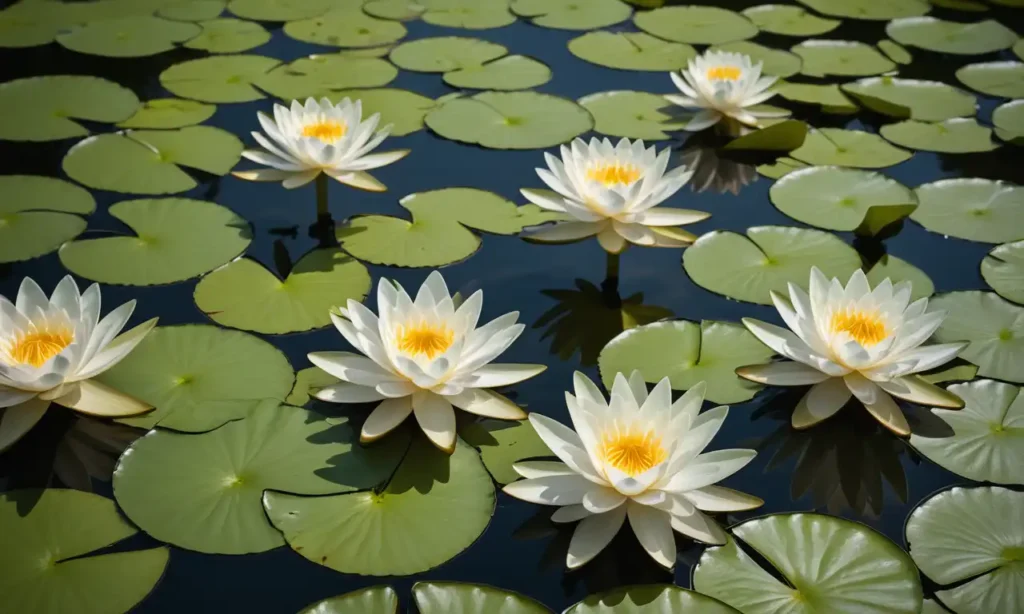
History and Origins
Water lilies (Nymphaea species) follow a different cultural path. In Ancient Egypt, the blue lotus (a water lily) symbolized rebirth, as blossoms closed at night and reopened with the sun. It appeared frequently in Egyptian art and religious ceremonies.
In Buddhist and Hindu traditions, the water lily—often synonymous with the lotus—symbolized enlightenment and purity, rising clean from muddy waters. In Chinese culture, it became a symbol of integrity, admired for emerging unstained from murky ponds. Native species across Asia and the Americas were celebrated for their beauty in folklore, often associated with tranquility, spiritual reflection, and the cycles of life and renewal. By the 19th century, water lilies gained artistic fame through Monet’s paintings, cementing their global status as emblems of serenity and renewal.
Symbolism and Meaning
Water lily birth flower meanings encompass purity, enlightenment, and rebirth. The flower’s ability to close at night and reopen each morning symbolizes resurrection and eternal life. Different cultures emphasize various aspects—Egyptians saw rebirth, Buddhists see enlightenment, while Western traditions focus on purity and beauty.
The contrast between murky water and pristine blooms represents triumph over adversity, giving water lilies a deep spiritual resonance. Their serene floating presence conveys balance and harmony, reminding observers of the importance of calm amidst turbulence. In Hindu traditions, deities are often depicted seated on lotus-like blooms, underscoring divine wisdom. Modern interpretations highlight resilience, with water lilies embodying the idea that true beauty emerges strongest when conditions seem most challenging.
Characteristics and Growing Information
Water lilies divide into hardy and tropical types. Hardy lilies survive frozen ponds, blooming in white, pink, yellow, and red. Tropical kinds add blues, purples, and night-blooming options but need warm water year-round. Flowers float on the surface while lily pads provide platforms for frogs and dragonflies.
Growing water lilies requires still water at proper depths. Hardy types need one to four feet of water above crowns. Plant in containers of heavy soil, topping with gravel to prevent dispersion. Tropical water lilies should be positioned in full sun with consistently warm temperatures, making them ideal for heated pools or climates with long summers. Regular fertilization during the growing season ensures abundant blooms. Both hardy and tropical types thrive when water remains calm, as waves or fountains can damage delicate petals.
Modern Uses and Gift Ideas
Cut water lilies last only days, making them impractical for bouquets. Instead, water lily-themed jewelry, artwork, or photography collections make meaningful gifts. For those with ponds or water gardens, live plants offer lasting beauty. Miniature varieties also grow in tabletop containers, bringing tranquility indoors.
Water lily motifs, popularized by Monet, appear on umbrellas, mugs, and wall art. Perfume makers replicate their delicate fragrance, while weddings sometimes feature floating lilies in pools for dramatic effect. In spa and wellness settings, water lily imagery is often used to evoke calm, relaxation, and renewal, underscoring its association with serenity. Decorative lanterns shaped like water lilies are released at festivals in many cultures, symbolizing hope and remembrance. Even contemporary digital art frequently uses the flower to represent peace and mindfulness.
Wrapping Up
The July birth flower tradition offers those born in summer’s peak month two distinctive blooms representing different natural realms. Larkspur brings cottage garden charm and vertical interest, symbolizing joy and aspiration. Water lilies add serene beauty and spiritual depth, representing purity emerging from challenging conditions. This combination gives July babies diverse floral heritage celebrating both earth and water elements.
Whether choosing cheerful larkspur or peaceful water lilies for July birthday celebrations, both birth flowers of July carry uplifting messages perfect for summer. Their contrasting growing requirements—one terrestrial, one aquatic—ensure various ways to incorporate July birth month flowers into celebrations and gardens. This duality highlights July’s unique position in the year, when abundance, vitality, and balance between contrasting forces create a season rich with symbolic meaning and beauty.
Interested in the August Birth Flowers? Check out August Birth Flowers: Admire the Gladiolus and Poppy!
Frequently Asked Questions
Q: Is larkspur the same as delphinium?
A: They’re closely related but not identical. Larkspur refers to annual Consolida species, while delphinium covers perennial Delphinium species. Because of their visual similarity and shared symbolism, many traditions group them together as July birth flowers, though some lists mention them separately.
Q: Can I grow water lilies without a pond?
A: Yes! Miniature water lilies thrive in large containers or half-barrels. Choose dwarf varieties needing only 12–18 inches of water. Place containers in full sun, add mosquito dunks to prevent insects, and enjoy water lilies on patios or balconies.
Q: How long do larkspur and water lilies typically bloom?
A: Larkspur generally blooms in early to midsummer, with flowers lasting several weeks, especially if spent blooms are removed. Water lilies bloom repeatedly from late spring through early autumn, with each flower lasting about three to four days before being replaced by new buds. Together, they ensure July birth flowers can provide color and beauty across much of the growing season.