

October paints the world in warm autumn hues, and those born this month claim two flowers that perfectly match the season’s golden glow. The October birth flower includes both the vibrant marigold and graceful cosmos, offering contrasting beauties that capture fall’s essence. These October birth month flowers bring different energies—marigolds with their intense fragrance and bold colors, cosmos with delicate petals dancing in autumn breezes. Together they represent October’s balance of abundance and gentle decline. They also highlight the month’s spirit of transformation, preparing nature for winter’s approach. Understanding the birth month flower for October enriches celebrations during harvest season.
Marigold Birth Flower – Golden Flames Of Passion And Memory
History and Origins
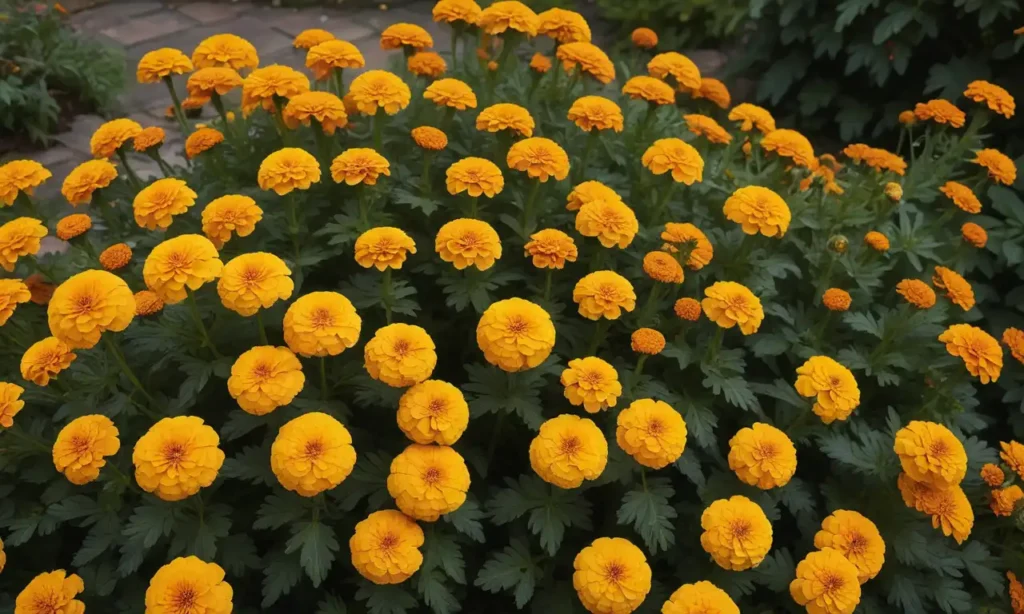
Marigolds (Tagetes species) trace their origins to the Aztecs, who regarded them as sacred flowers symbolizing the sun. They used marigolds in rituals, seasonal celebrations, and as important symbols in community life. Spanish explorers carried marigold seeds to Europe in the 16th century, where the plants spread rapidly through monastery and cottage gardens. The name “marigold” is thought to come from “Mary’s gold,” reflecting the flower’s adoption into Christian symbolism.
In Mexico, marigolds—known as cempasúchil—became central to Day of the Dead traditions. Families create vibrant garlands and scatter petals to guide spirits back home, blending ancient Aztec practices with Catholic observances. In India, marigolds hold equal importance, appearing in religious ceremonies, weddings, and festivals as symbols of auspiciousness and divine blessings.
Symbolism and Meaning
As a birth flower for October, marigolds carry layered symbolism that varies across cultures. In Western traditions, they represent passion and creativity, their warm hues echoing autumn leaves. Victorian flower language connected marigolds with grief and compassion, while Mexican culture sees them as bridges between the living and the dead. In India, they symbolize divine blessings and prosperity.
Marigolds are also linked with endurance and devotion, their long-lasting blooms symbolizing strength in adversity. Folklore sometimes regarded them as protective charms, placed near doorways or windows to guard homes and loved ones from harm.
Different colors add nuance: orange signifies enthusiasm and confidence, yellow conveys happiness and optimism, while deep red suggests passion and love. Their strong fragrance—beloved or disliked—symbolizes emotions too intense to ignore.
Characteristics and Growing Information
Marigolds divide into three main types: African with large pompon blooms, French with smaller flowers, and signet varieties with fine, delicate petals. Heights range from six-inch miniatures to three-foot giants. All bloom continuously from summer to frost, providing long-lasting garden color. Their distinctive scent repels many pests naturally.
In addition to their ornamental value, marigolds tolerate drought well, making them reliable in challenging climates. Gardeners prize them for resilience, adaptability, and the cheerful brightness they bring to borders, containers, and vegetable patches alike.
They thrive in full sun with average soil, often performing better in less fertile conditions. Seeds can be sown directly after frost danger passes or started indoors. Deadheading promotes longer blooming and sturdier growth. Their natural pest-repelling traits make them valuable as companion plants.
Modern Uses and Gift Ideas
Fresh marigold garlands remain staples in cultural celebrations and autumn décor. Potted marigolds make cheerful gifts, flowering until frost and bringing bright color to seasonal gatherings.
Marigolds also appear in seasonal wreaths, harvest centerpieces, and festival decorations, bringing warmth to autumn homes. Their dried petals preserve well, allowing them to be incorporated into craft projects such as handmade paper, framed art, and pressed-flower jewelry. Communities worldwide celebrate marigold festivals, where entire streets and plazas are blanketed with blossoms, creating unforgettable displays of abundance and beauty.
Artisans use marigold imagery in textiles, jewelry, and art. Festivals featuring marigolds—particularly around Day of the Dead—keep the flower’s cultural relevance vibrant and visible worldwide.
Cosmos Birth Flower – Balanced Beauty In Graceful Simplicity
History and Origins
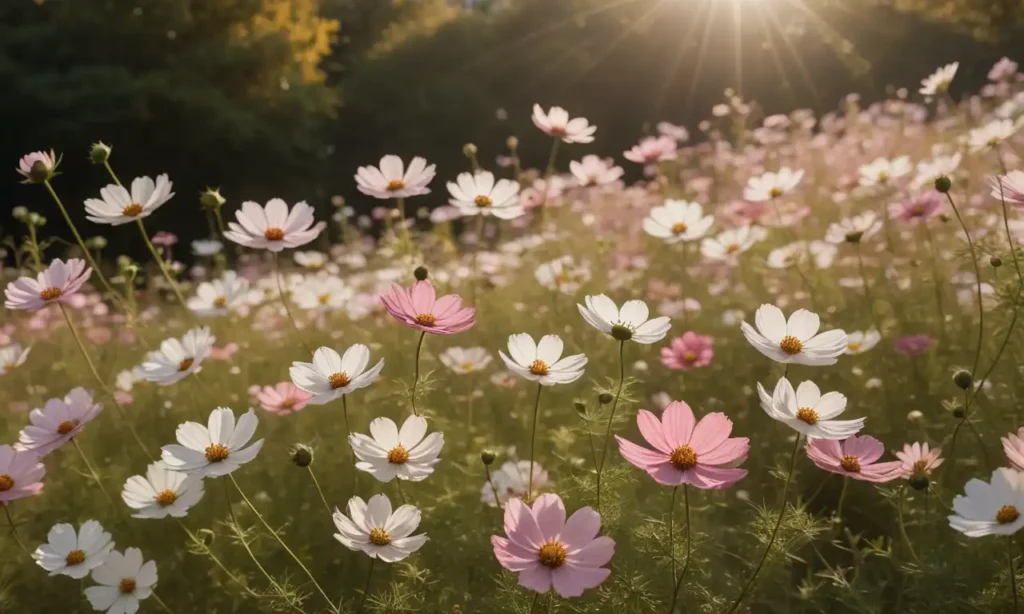
Cosmos (Cosmos bipinnatus and related species) originated in Mexico, where Spanish missionaries cultivated them in mission gardens. Europeans admired their perfect symmetry and named them after the Greek word kosmos, meaning harmony and order. By the Victorian era, cosmos had become popular ornamentals, valued for their delicate flowers and ability to thrive in poor soils.
Spanish colonial expansion helped cosmos spread quickly across the Americas, where their cheerful blooms naturalized in meadows, roadsides, and cottage gardens. Their ease of cultivation made them accessible to both wealthy estates and modest households, ensuring widespread popularity. In Japan, cosmos became associated with the arrival of autumn, while in Europe, they were often included in seasonal borders for their airy texture. Today, cosmos continue to symbolize simplicity and natural charm in gardens worldwide.
Symbolism and Meaning
Cosmos flowers symbolize peace, modesty, and wholeness. Their simple form reflects beauty in order and balance. Victorians sometimes associated cosmos with innocent love and joy, and their ability to grow in harsh soil made them symbols of resilience and optimism.
Different colors carry unique interpretations—pink cosmos symbolize gentle affection, white suggests purity and truth, red embodies passion, and yellow conveys cheerful energy. Their daisy-like blooms also represent harmony between humanity and the natural world, reinforcing their role as symbols of unity. In modern contexts, cosmos often appear in wedding bouquets or meditation spaces, where their balanced forms inspire calmness and mindfulness.
Together with marigolds, cosmos provide contrast: marigolds bring intensity and cultural depth, while cosmos add serenity and simplicity.
Characteristics and Growing Information
Cosmos are tall, airy plants ranging from two-foot dwarfs to six-foot giants. They bloom in shades of pink, white, burgundy, and yellow, with delicate, fern-like foliage. Their self-sowing nature ensures future generations of blooms once established.
They flourish in lean soil and full sun, often performing better with minimal care. Overly rich soil produces foliage at the expense of flowers. Pinching young plants encourages bushiness, while staking helps tall varieties withstand wind.
Cosmos also tolerate drought remarkably well, making them excellent for low-maintenance or xeriscape gardens. Blooming from midsummer until frost, they provide continuous color during late-season months when many other annuals have faded. Their adaptability allows them to thrive in cottage gardens, meadows, and even neglected corners, rewarding minimal effort with maximum charm.
Modern Uses and Gift Ideas
Cosmos shine in wildflower-style bouquets, their long stems perfect for naturalistic arrangements. Seed packets of heirloom cosmos make thoughtful gifts for gardeners, while pressed cosmos flowers become lasting keepsakes in art, stationery, and jewelry.
Their airy beauty inspires designs in fashion and home décor. Farms and meadows featuring cosmos attract visitors, with fields often used for photography sessions during peak bloom.
Cosmos festivals and community plantings celebrate their abundance, drawing families and photographers alike to enjoy fields in full bloom. Florists use cosmos to soften structured arrangements, adding movement and delicacy. Their symbolism of peace and balance makes them fitting additions for weddings, anniversaries, and milestones, where they carry messages of harmony and long-lasting affection.
Wrapping Up
The October birth flower tradition gives those born in autumn’s peak two blooms that reflect the season’s richness and balance. Marigolds bring boldness and cultural meaning, tying October to traditions of remembrance, passion, and divine blessing. Cosmos offer a gentler message of harmony, resilience, and modest beauty. Together they create complete floral symbolism—balancing intensity with tranquility.
Whether choosing bold marigolds or delicate cosmos for October birthday flowers, both carry messages perfect for autumn gatherings. Their presence in seasonal festivals, decorative arrangements, and garden borders strengthens connections to October’s beauty, helping celebrations feel rooted in both nature and tradition. Their easy cultivation ensures nearly anyone can enjoy these October flower choices at home or in the garden, keeping the October flower of the month alive in celebrations.
Interested in the November Birth Flowers? Check out November Birth Flowers: Explore the Chrysanthemum and Peony!
Frequently Asked Questions
Q: Why do cosmos get leggy and fall over?
A: Cosmos naturally stretch toward light, becoming top-heavy. Fertile soil makes this worse by encouraging leaves over flowers. Grow them in lean soil, pinch back seedlings, and provide stakes for taller types.
Q: How long do marigolds and cosmos bloom?
A: Both flowers bloom continuously from summer until frost. Regular deadheading extends flowering and keeps plants looking fresh, ensuring plenty of color throughout autumn.
Q: Can I grow marigolds and cosmos together?
A: Yes! They complement each other well in garden beds. Marigolds add bold, warm tones while cosmos bring airy texture. Together, they create long-lasting displays with minimal maintenance.