
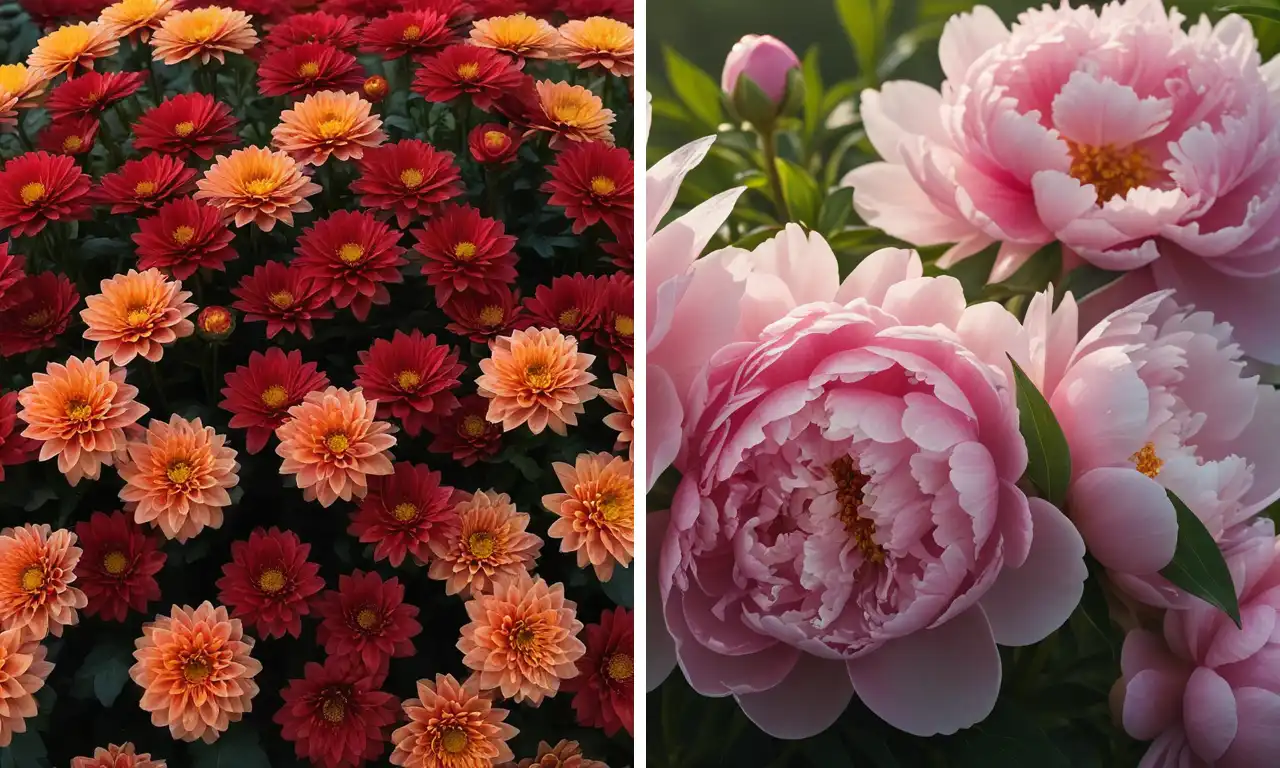
November arrives with autumn’s final flourish, and the November birth flower reflects both the reality of the season and the promise of what lies ahead. The Chrysanthemum Birth Flower is the bloom most firmly tied to November, thriving in cool weather and brightening gardens just as the year begins to wane. Some lists also include the Peony Birth Flower, though it blooms in spring rather than fall. Its inclusion highlights symbolic connections rather than seasonal ones—representing prosperity, honor, and the beauty of renewal. Together, these birth flowers of November capture the month’s dual nature as a time of reflection and anticipation, offering those born during this season flowers that span both endurance and hope.
Chrysanthemum Birth Flower – Perseverance Crowned With Autumn Joy
History and Origins
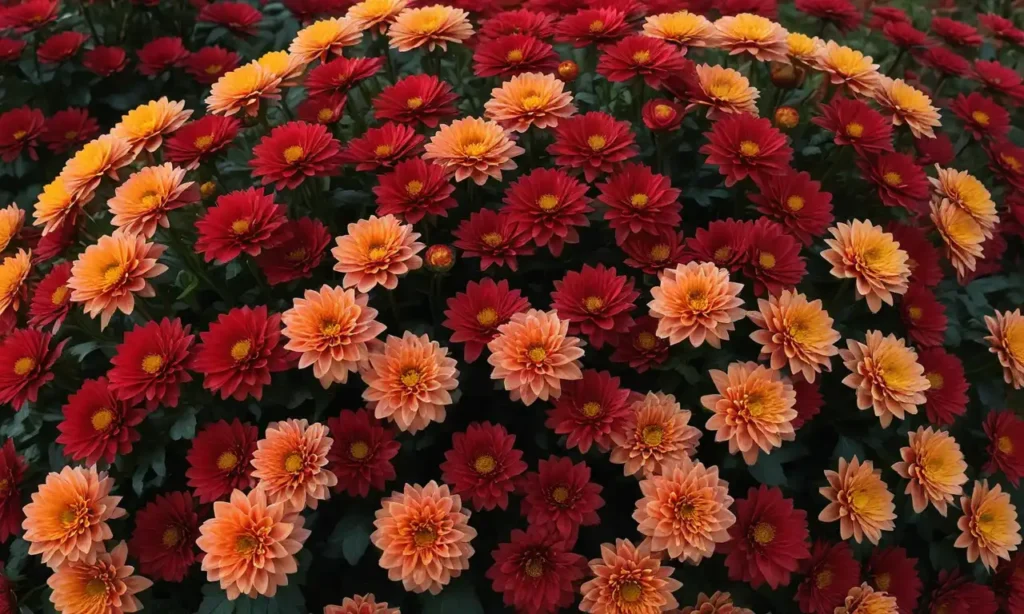
Chrysanthemums (Chrysanthemum species) were first cultivated in China over 2,500 years ago, where they quickly became admired for their beauty and symbolism. Ancient texts often praised them as emblems of long life and resilience, and Confucius recommended them for meditation gardens. By the 8th century, chrysanthemums had reached Japan, where they became deeply revered. The emperor adopted the chrysanthemum as his imperial seal, and the flower remains a cherished national symbol celebrated annually at the “Festival of Happiness.”
In Europe, chrysanthemums arrived via Dutch traders in the 17th century, spreading quickly as autumn garden staples. Cultural symbolism diverged—Asia viewed them as emblems of joy and longevity, while in much of Europe they became associated with mourning and remembrance, frequently used in funerals.
Symbolism and Meaning
The November birth flower chrysanthemum represents longevity, joy, and perfection in Asia. Japanese red chrysanthemums symbolize love, white means truth, and yellow expresses slighted love. Western traditions lean toward honor, loyalty, and remembrance, fitting November’s contemplative nature.
Different chrysanthemum forms add symbolism: singles suggest simplicity, pompons joy, and spider mums uniqueness. Quilled varieties symbolize creativity and individuality, while incurved forms embody grandeur and elegance. Chrysanthemums are also linked to autumn festivals, where they serve as reminders of gratitude and appreciation for the harvest season, further connecting them to themes of reflection and thankfulness during November’s closing days. Their ability to bloom as temperatures drop makes them enduring symbols of perseverance. In the language of flowers, chrysanthemums say “you’re a wonderful friend,” making them especially meaningful for November birthday flowers.
Characteristics and Growing Information
Chrysanthemums encompass thousands of cultivars, ranging from button mums under a foot tall to exhibition varieties with six-inch blooms. Forms span from daisy-like singles to elaborate pompons and intricate spiders. Garden mums differ from florist mums in hardiness, so choose carefully for perennial use.
They are photoperiod-sensitive, naturally blooming when nights lengthen in fall. Plant in spring for autumn flowers, providing full sun and well-draining soil. Pinching stems until midsummer encourages bushiness and more blooms. Regular deadheading extends flowering, and fertilizing every few weeks promotes strong growth. Container-grown mums can be overwintered in sheltered spaces, offering flexibility for gardeners in colder regions who want to enjoy chrysanthemums year after year. In cold climates, mulch heavily for winter survival.
Modern Uses and Gift Ideas
Chrysanthemums shine in November birthday celebrations. Potted mums in decorative containers make cheerful gifts, while cut chrysanthemums last up to two weeks—longer than most flowers. Their wide availability in autumn colors also makes them popular for Thanksgiving décor.
Beyond gifts, chrysanthemums inspire art, textiles, and tattoos. Seasonal markets often feature chrysanthemums in wreaths, centerpieces, and garlands, reflecting their role as festive autumn staples. In Japan, they remain central to annual cultural festivals, symbolizing imperial heritage and national pride. Photographers frequently capture chrysanthemums for their intricate petal structures, while gardeners value them as reliable perennials that bridge the gap between late summer and winter. Flower shows worldwide continue to showcase their extraordinary variety, keeping their cultural importance strong.
Peony Birth Flower – Luxurious Blossoms Of Love And Prosperity
History and Origins
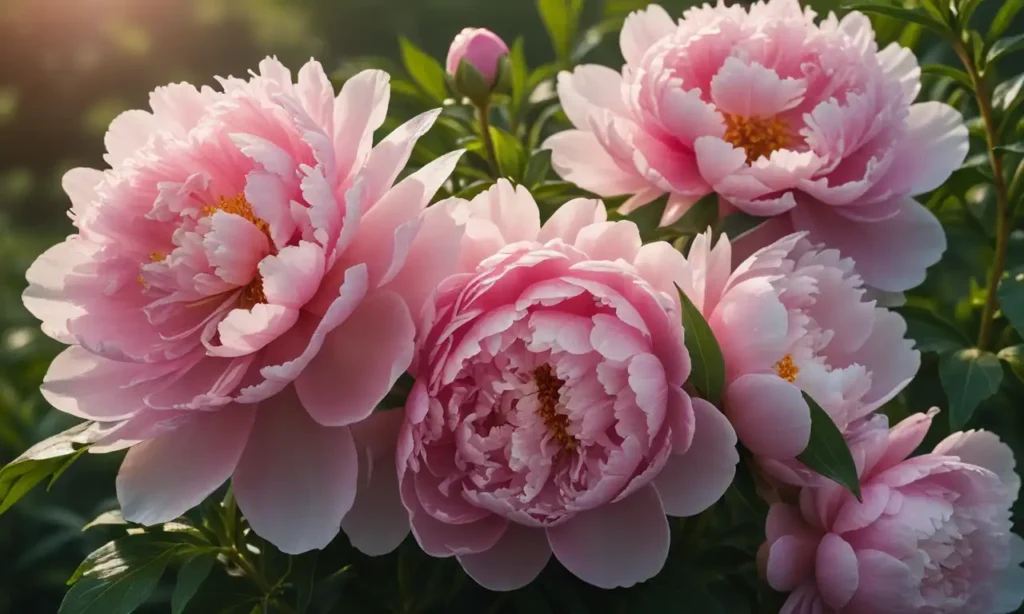
Peonies (Paeonia species) trace their origins to ancient China, where they quickly became prized for their spectacular flowers. By the Tang dynasty, they were celebrated as the “king of flowers” and often reserved for imperial gardens. Their prestige made them enduring cultural icons of wealth and beauty, appearing in countless poems, artworks, and traditional festivals that reinforced their elevated position in society.
Peonies were well known in Europe since classical times, but Chinese tree peonies reached England only in the late 18th century, when botanists like Sir Joseph Banks arranged for their introduction. Their remarkable size, fragrance, and diversity of forms soon captured the attention of Western gardeners, securing their place as one of the most admired ornamentals worldwide.
Symbolism and Meaning
Peonies symbolize romance, prosperity, and honor. In Chinese culture, they represent wealth and feminine beauty, while Western interpretations connect them to compassion and bashfulness. Their brief blooming season reflects life’s fleeting moments, reminding us to treasure beauty while it lasts and to celebrate special occasions with heartfelt sincerity. Their lush, layered petals suggest abundance and generosity, while their intoxicating fragrance deepens their association with love, attraction, and joyful celebration across cultures.
Colors further refine their symbolism: pink for romance, white for fresh beginnings, and red for honor and respect. Together, peonies balance luxury with delicate grace.
Characteristics and Growing Information
Peonies divide into three main types: herbaceous (die back each winter), tree (woody and expanding yearly), and intersectional (hybrids combining traits of both). Herbaceous peonies bloom briefly but magnificently in late spring, with flowers reaching dinner-plate size.
They require patience, as newly planted peonies may take several years to bloom. Tree peonies produce larger, longer-lasting blossoms, often in unusual colors, while intersectional types combine durability with repeat flowering. All peonies prefer full sun, fertile, well-drained soil, and protection from strong winds. Proper siting is critical, as established plants resent transplanting. With the right conditions, peonies reward gardeners with unmatched beauty year after year.
Modern Uses and Gift Ideas
Though they bloom in spring, peonies remain popular for November birthdays through creative gifts. Roots planted in November establish for spring flowering, while preserved or silk peonies provide year-round reminders. Peony-inspired gifts—such as artwork or decorative items—capture their luxurious essence regardless of season.
Florists sometimes offer early-forced peony stems for special occasions, giving recipients a taste of spring well before the natural season. Candles and home fragrances often feature peony-inspired scents, lending sophistication to interiors. Jewelry makers create intricate peony designs in silver or enamel, transforming the flower into wearable art that carries symbolic meaning wherever it goes.
In fashion and décor, peony motifs appear frequently in chinoiserie designs, stationery, and modern home accents. Peony gardens worldwide also attract visitors during their brief blooming period, celebrated heavily on social media.
Wrapping Up
The November birth flower tradition unites two blooms from opposite ends of the growing season. Chrysanthemums bring immediate autumn beauty and endurance, symbolizing friendship, joy, and perseverance. Peonies look forward to spring, promising romance, prosperity, and renewal. Together, these November flower choices provide November babies with a complete floral heritage spanning both present strength and future hope.
This duality makes November’s flowers especially meaningful—one rooted in the present season, the other reaching forward to brighter days. Their combined symbolism reflects the month’s place at the threshold of winter, honoring both resilience and optimism. This layered heritage ensures lasting cultural and personal significance for those born in November.
Whether choosing chrysanthemums for their seasonal abundance or peonies for their symbolic promise, both flowers offer timeless charm and profound meaning for November birthday flowers. Their presence keeps the November birth month flower tradition alive, ensuring that the November flower of the month and the month flower for November remain enduring symbols of beauty and resilience.
Interested in the December Birth Flowers? Check out December Birth Flowers: Celebrate with Narcissus and Holly!
Frequently Asked Questions
Q: Why are peonies November birth flowers when they bloom in spring?
A: Birth flower assignments reflect symbolism more than bloom times. Peonies symbolize hope during November’s darkness, and November is also the ideal planting season for peony roots.
Q: Are all chrysanthemums winter hardy?
A: No. Florist mums often lack hardiness. For perennial use, select garden or hardy mums, plant them in spring, and mulch in colder climates.
Q: Can I grow chrysanthemums and peonies together?
A: Yes, though they bloom in different seasons. Plant peonies as long-term anchors, with chrysanthemums providing later color. Together, they create year-round garden interest.